A pipe bursts at 10 p.m., the basement drain starts backing up, or your water heater gives out right before a busy morning. In moments like that, knowing how to get emergency plumbing services matters more than knowing every plumbing detail. What you need is a fast, clear plan that protects your property, limits damage, and gets the right licensed plumber on site.
What counts as a plumbing emergency?
Not every plumbing issue needs after-hours service, but some problems should never wait. Active leaks, burst pipes, sewer backups, no water service, overflowing toilets with no second bathroom available, sump pump failure during heavy rain, and a failed water heater that is leaking are all strong reasons to call right away.
It depends on the risk. A dripping faucet can usually wait. Water spreading across a floor, sewage coming back into the building, or a frozen pipe that may split is different. If the issue can damage the structure, create a health concern, or shut down your home or business, treat it as urgent.
For commercial properties, the threshold is often lower because downtime costs money. A restaurant with a blocked drain, an office with a leaking restroom line, or a retail space with no hot water may need emergency service even if the same issue in a house might wait until morning.
How to get emergency plumbing services without losing time
The fastest way to get help is to be ready before you call. Start by identifying the exact problem and whether water is still running or leaking. Then shut off the nearest fixture valve if you can do so safely. If that does not stop the issue, turn off the main water supply.
Once the immediate risk is controlled, call a local licensed plumbing company that clearly offers emergency response. Local matters here. A nearby team can usually dispatch faster, knows regional plumbing issues like frozen lines and sump failures, and is more likely to understand local code and property types.
When you call, keep the conversation simple and specific. Say what is happening, where it is happening, whether the water is off, and whether the issue is affecting the whole building. If there is visible damage, mention that too. Good dispatchers use those details to prioritize properly and send a technician with the right tools.
If the company offers real-time technician notifications or clear arrival windows, that is a good sign. In an emergency, communication matters almost as much as speed. You should know who is coming, roughly when they will arrive, and what the next step looks like.
What to do before the plumber arrives
After you make the call, focus on damage control. Move towels, boxes, electronics, and anything valuable away from the affected area. If water is near outlets or electrical equipment, stay clear and shut off power to that area only if it is safe to do so.
Take photos of the damage if possible. This can help with insurance documentation and gives the plumber a better record of what happened if the leak slows or stops before arrival. If the leak is near a ceiling, do not ignore bulging drywall. Water can collect overhead and come down suddenly.
Avoid DIY repairs that can make the job worse. Tape, chemical drain cleaners, and aggressive attempts to force open a line can complicate the repair. Your goal is not to solve the plumbing problem fully. Your goal is to stabilize the situation until a licensed technician gets there.
What to ask when calling for emergency plumbing services
A reliable emergency plumbing company should be able to answer a few basic questions without vague promises. Ask whether they are licensed and insured, how soon a technician can respond, whether they charge flat-rate pricing or hourly rates, and whether there are after-hours fees.
You should also ask what to do while waiting. A good company will walk you through immediate safety steps over the phone if needed. That kind of guidance tells you a lot about how they operate.
If you own an older home or rural property, mention any system details upfront. Homes with Poly B piping, well systems, filtration equipment, sump pumps, ejector pumps, septic connections, or backwater valves can require a broader plumbing skill set. Not every plumber handles those systems with the same level of confidence, especially in a high-pressure emergency.
How to choose the right emergency plumber under pressure
Emergencies push people to hire the first name they see. Sometimes that works out. Sometimes it leads to surprise pricing, poor communication, or a temporary fix that fails again.
The better approach is to look for a few trust signals fast. Choose a company that is licensed, local, and clear about pricing. Look for a service provider that handles both common emergency calls and more complex infrastructure issues. That range matters because plumbing problems are not always isolated. A backup may involve the drain line, a sump issue may point to discharge or power concerns, and a burst pipe may be part of a larger freeze problem.
Strong reviews help, but the way the company communicates matters just as much. If the office is hard to reach, avoids direct answers, or cannot explain the next step, that is a warning sign. In urgent situations, clarity is part of the service.
This is also where family-owned local companies often stand out. They tend to rely on reputation, repeat business, and word-of-mouth in the community, so they are more likely to emphasize straightforward service, transparent billing, and follow-through. That does not guarantee a fit, but it is often a good sign.
Common emergency situations and what response should look like
A burst pipe needs immediate isolation of the water supply and fast repair. In colder climates, the plumber should also be checking why the line froze, whether nearby pipes are at risk, and whether insulation or heat tracing needs attention.
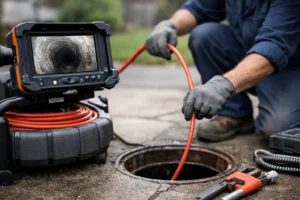
A sewer backup is not just a plumbing inconvenience. It is a sanitation issue. The response should include identifying whether the blockage is local or in the main line, protecting occupied areas, and recommending cleanup steps if contaminated water entered the space.
A failed sump pump during a storm needs urgency because the cost of waiting can rise by the hour. The right emergency response may include replacing the pump, checking the discharge line, testing the float switch, and confirming the pit and power source are working properly.
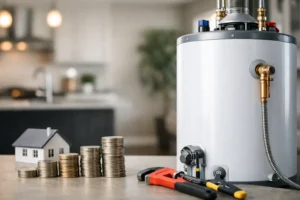
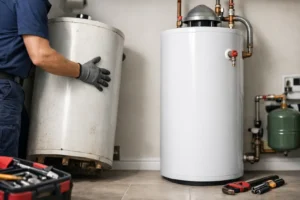
A leaking water heater can go either way. A small issue at a connection may be manageable for a short period. Tank failure is different. If the tank body itself is leaking, replacement is usually the practical fix.
Why pricing transparency matters in an emergency
When people are stressed, unclear pricing creates even more pressure. Emergency service may cost more after hours, and that is not unusual. What matters is whether the company explains the pricing clearly before work starts.
Flat-rate pricing is often easier for homeowners and property managers because you know what the repair is expected to cost once the problem is diagnosed. Hourly billing is not always wrong, but in an emergency, it can leave too much uncertainty if the scope is not defined.
The best companies are upfront about trip charges, diagnostic fees, after-hours rates, and what is included. No hidden fees should mean exactly that.
If you want faster help next time, prepare now
The easiest time to think about emergencies is before one happens. Keep the phone number of a trusted local plumber saved in your contacts. Know where your main water shutoff is. Make sure other adults in the home or key staff in the building know where it is too.
If your property has a history of plumbing issues, preventive service is worth considering. Annual inspections, drain maintenance, water heater checks, sump pump testing, and pipe assessments can catch small problems before they become expensive calls in the middle of the night.
For homeowners with older piping or recurring leaks, replacement planning can be smarter than repeated repairs. For landlords and business owners, a maintenance program with priority booking may reduce downtime and help you get service faster when it counts. Poly B Plumbing works with property owners who want both emergency response and ongoing preventive support, which is often the most practical long-term approach.
A calmer call gets a better result
When plumbing fails suddenly, speed matters, but so does choosing carefully. If you can shut off the water, describe the problem clearly, and call a licensed local company with transparent pricing and real communication, you are already in a much better position. The right plumber will not add confusion to an already stressful situation. They will make the next step clear, show up ready, and help you get control of the problem before it gets bigger.
The best emergency plan is simple: know who to call, know how to shut the water off, and do not wait when the damage is active.