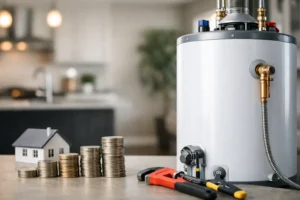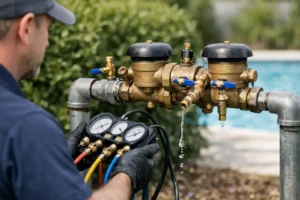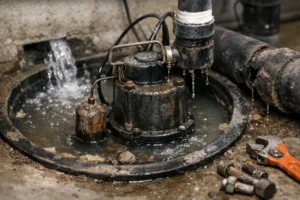
Hot water problems rarely show up at a convenient time. It is usually the first shower of the morning that goes cold, a leak that appears around the tank late at night, or a business that suddenly cannot run normally because the water heater gave out. That is why water heater repair and installation is not just another plumbing job. It is a service that affects comfort, safety, utility costs, and daily routine right away.
If your system is acting up, the first question is usually simple: should you repair it, or is it time to replace it? The honest answer is that it depends on the age of the unit, the type of problem, and how often you have already had to deal with breakdowns. A good plumbing contractor should walk you through that decision clearly, with straightforward pricing and no pressure.
When water heater repair makes sense
A repair is often the right call when the problem is isolated and the tank itself is still in decent shape. If the pilot light will not stay lit, a heating element has failed, the thermostat is off, or a valve is starting to leak, those are usually repairable issues. In many cases, fixing one component can restore reliable hot water without the cost of a full replacement.
That said, repairs make the most sense when the unit is not already nearing the end of its service life. Traditional tank water heaters often last around 8 to 12 years, although maintenance, water quality, and usage habits can shift that timeline. Tankless systems can last longer, but they also need proper servicing to stay efficient.
If your heater is relatively newer and has been dependable until now, a repair may be the most cost-effective path. If it is older and starting to fail in more than one way, paying for another repair can turn into throwing money at a system that is already on borrowed time.
Signs you may need water heater repair and installation service
Some warning signs are obvious. Others are easy to ignore until the problem becomes urgent. A plumber should look at your water heater if you notice inconsistent hot water, rust-colored water, strange banging or popping sounds, moisture around the base of the tank, or a sudden rise in energy bills without another clear cause.
No hot water at all usually gets immediate attention, but partial failure matters too. If the water turns lukewarm too quickly, takes too long to recover, or fluctuates between hot and cold, there may be an issue with the burner, heating elements, thermostat, or sediment buildup inside the tank.
Leaks deserve special attention. A loose connection or valve may be repairable. A leaking tank body is different. Once the tank itself is compromised, replacement is typically the safer and smarter choice. A patched tank is not a reliable long-term fix.
When replacement is the better investment
There comes a point where repair stops being the practical option. If your unit is older, requires repeated service, or cannot keep up with your household or building demand, replacement often saves money over time. You may pay more upfront, but you avoid repeated repair bills, higher utility costs, and the risk of sudden failure.
This is especially true in older homes and mixed-use properties where plumbing systems have changed over the years. What worked for the previous owner may not match your current needs. A larger family, added bathroom, renovated kitchen, or commercial usage pattern can all change the hot water load.
A properly sized new system can improve reliability right away. It can also reduce energy waste if the old unit has been working harder than it should. For landlords and business owners, this matters even more. Downtime, complaints, and emergency replacements are usually more expensive than planning a replacement before the unit fails completely.
Choosing the right type of water heater
Not every installation is the same, and this is where local experience matters. The right water heater depends on the property, fuel source, space available, water usage, and budget.
A standard tank water heater is still the best fit for many homes. It is usually more affordable upfront, familiar to most property owners, and practical for households with predictable demand. If the old setup worked well and the goal is a straightforward replacement, this can be the simplest route.
Tankless water heaters appeal to owners who want energy efficiency and endless hot water, but they are not automatically the better option for every building. They cost more to install, and some properties need gas line, venting, or electrical upgrades to support them. In the right setup, they perform very well. In the wrong one, the added cost may not deliver the value you expected.
For commercial spaces, sizing and recovery rate are especially important. Restaurants, retail businesses, and office properties all use hot water differently. Installing a unit based only on sticker price can create operational problems later. That is why a proper site assessment matters before any recommendation is made.
What to expect during installation
Good water heater installation starts before the old unit is removed. A licensed plumber should confirm the right system size, review code requirements, inspect shutoffs and connections, and flag any issues that could affect safety or performance. That includes venting, drainage, gas supply, expansion tanks, and nearby plumbing conditions.
This part matters because installation quality affects everything that follows. Even a high-quality water heater can underperform if it is installed incorrectly. Poor venting, bad connections, or skipped code items can lead to safety concerns, reduced efficiency, or early failure.
During the job, the old unit should be disconnected safely, removed cleanly, and replaced with a properly matched new system. Once installed, the system should be tested thoroughly so you know it is heating correctly, holding pressure, and operating as intended. Clear communication matters here too. You should know what was done, what the pricing includes, and whether there are any recommended next steps.
Why fast response matters
Hot water issues do not stay contained for long. A failing unit can become a leak, and a leak can become water damage. For homes with children, seniors, or tenants, even a short loss of hot water can create major disruption. For businesses, it can interrupt service and create sanitation concerns.
That is why response time is not a small detail. When you call for help, you want clear scheduling, technician updates, and realistic timelines. You also want flat-rate pricing or at least a clear estimate before work begins. Trust is built when the process is easy to understand and there are no surprises on the invoice.
For many local property owners, that is the difference between a plumbing company they call once and one they keep for years. Poly B Plumbing has built its service around that expectation – licensed work, straightforward communication, and fast local response when timing matters.
Maintenance can extend the life of your system
Water heaters work hard and usually stay out of sight, so maintenance is often ignored until there is a problem. That approach gets expensive. Sediment buildup, worn components, and unnoticed pressure issues can shorten the life of the system and reduce efficiency long before the heater stops working.
Routine flushing, inspections, and testing can catch smaller problems before they turn into a no-hot-water call or a flooded utility room. This is especially useful in areas where water conditions, seasonal temperature swings, or older plumbing systems put extra stress on equipment.
If you own multiple properties or manage a commercial building, regular service can also help with budgeting. Planned maintenance is easier to manage than emergency replacement on a weekend.
The right contractor makes the decision easier
Water heater work is not just about swapping out equipment. It is about making sure your home or business has a safe, code-compliant system that fits the way you actually use hot water. That takes experience, honest recommendations, and the ability to respond quickly when the problem cannot wait.
If your unit is showing signs of trouble, do not wait for a small issue to turn into a full failure. A clear inspection and a straightforward recommendation can save time, money, and a lot of inconvenience. And when replacement is the right call, a proper installation gives you one less thing to worry about every day.