If you have Poly B in your home, this question usually comes up after a small leak, a home inspection, or an insurance conversation: should you replace poly b pipes before they fail, or wait until there is a real problem? For most homeowners, waiting is the more expensive gamble.
Poly B, also called polybutylene, was installed in many homes from the late 1970s into the 1990s. It was popular because it was affordable and easy to install. The issue is that age, water chemistry, pressure, and fitting failures have made it one of the most watched plumbing materials in older homes. Not every Poly B system fails at the same pace, but enough of them have developed leaks that replacement is often the safer long-term decision.
Should you replace Poly B pipes or keep them?
In many cases, yes, replacement is the right move. That is especially true if your home still has original Poly B, you have already had one or more leaks, or your insurer has raised concerns. A single repair can solve a local problem, but it does not change the condition of the rest of the system hiding behind walls and ceilings.
The hard part is that Poly B does not always give much warning. Some systems go years without visible issues, then start leaking at fittings, near bends, or in areas exposed to heat and pressure changes. That unpredictability is what makes the decision less about today’s leak and more about your risk over the next few years.
If you plan to stay in the home, a full repipe often makes more financial sense than repeated spot repairs and water damage restoration. If you are selling soon, the answer can depend on buyer expectations, inspection results, and whether replacement will help avoid delays or price negotiations.
Why Poly B became a concern
Poly B itself was marketed as a modern alternative to copper, but over time, real-world performance exposed weaknesses. The material can degrade from the inside, and certain fittings used with these systems have had their own failure history. Municipal water treatment, chlorine exposure, pressure fluctuations, and installation quality all affect how long the pipes hold up.
That means two homes on the same street can have very different results. One may show no visible issues, while another has already had several leaks. This is why a visual glance at exposed piping is not enough to judge the full condition of the system.
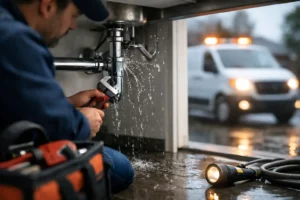
For homeowners, the biggest concern is not just a plumbing repair bill. It is what happens when a pipe fails inside a finished wall, ceiling, basement, or commercial unit after hours. Water damage, cleanup, mold risk, flooring replacement, and insurance headaches usually cost far more than the plumbing work itself.
Signs replacement is becoming urgent
You do not always need to panic the moment you hear the words Poly B. But there are clear signs that the window for proactive replacement may be closing.
If you have had previous leaks, that is one of the strongest indicators. Once a system starts failing in one area, the odds go up that other weak points are not far behind. Staining on ceilings, damp drywall, corrosion around fittings, reduced pressure, or visible pipe wear are all reasons to book a proper inspection.
Insurance pressure matters too. Some carriers charge more for homes with Poly B, restrict coverage, or ask for documentation showing replacement. If your insurer has already flagged it, waiting may leave you with fewer options later.
Renovation plans can also change the equation. If you are already opening walls for a kitchen, bathroom, or basement project, that is often the most cost-effective time to replace Poly B. Doing it after the finishes are complete usually costs more and creates more disruption.
When you might not replace it immediately
There are cases where immediate full replacement is not the only reasonable answer. If the system is in good condition, there are no known leaks, insurance is not an issue, and you are not planning to stay in the property long, you may choose close monitoring instead of urgent replacement.
That said, monitoring is not the same as ignoring it. It means knowing where the pipes run, checking for warning signs, watching water pressure, and having the system assessed by a licensed plumber who has real experience with Poly B. It also means accepting that the risk does not disappear just because there is no leak today.
For landlords and commercial property owners, the tolerance for risk is usually lower. A leak in a rental unit, restaurant, office, or multi-tenant building can affect several people at once and create added liability. In those situations, proactive replacement is often easier to justify.
What are your replacement options?
Most Poly B replacements involve repiping the home with a modern approved material, often PEX or copper depending on the property, budget, layout, and local code requirements. The right choice depends on more than pipe cost. Access, wall construction, fixture locations, water quality, and long-term goals all matter.
PEX is a common option because it is flexible, efficient to install, and well suited to many residential repipes. Copper may still be preferred in some settings, especially where owners want a traditional material or where specific system conditions support it. A good plumber should explain the trade-offs clearly rather than pushing a one-size-fits-all answer.
The process usually starts with an inspection and estimate, followed by a plan for access points, fixture reconnections, testing, and patch coordination if walls or ceilings need to be opened. In many homes, the work can be organized to reduce downtime and keep disruption manageable.
The cost question homeowners really care about
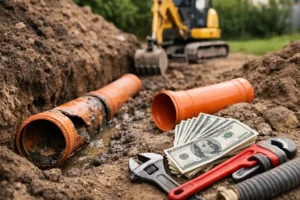
The reason many people put this off is simple: a full repipe is a bigger job than a leak repair. But the fair comparison is not repipe versus doing nothing. It is repipe versus repeated repairs, damaged finishes, emergency calls, higher insurance friction, and the stress of wondering where the next leak will show up.
The actual cost depends on home size, number of bathrooms, accessibility, pipe routing, and the replacement material. A bungalow with open basement access is very different from a finished two-story home with limited wall access. That is why a proper onsite estimate matters.
What homeowners usually want is clarity. They want to know what will be replaced, how long the work will take, what disruption to expect, and whether the price is fixed. Straight answers matter here. So does working with a licensed local plumber who handles both the replacement and the inspection side of the job, not just the sales pitch.
Should you replace poly b pipes before selling?
If you are preparing to sell, replacing Poly B can make the home easier to market, especially in areas where buyers and inspectors already know the issue. It can also prevent last-minute negotiation pressure after an inspection report calls it out.
Still, it depends on the home, the market, and your timeline. In a hot market, some sellers choose to price with the issue in mind and leave replacement to the buyer. In other cases, replacing the system first creates a cleaner sale and better confidence for everyone involved.
If you are unsure, ask two practical questions: will Poly B come up during inspection, and will it affect insurance for the buyer? If the answer to either is yes, proactive replacement is often the smoother path.
What a good inspection should tell you
A useful Poly B inspection should do more than confirm the material. It should look at visible pipe condition, fittings, signs of past leaks, pressure concerns, vulnerable areas, and the likely scope of replacement if needed. You should come away understanding your risk level, not just hearing that the house has old pipes.
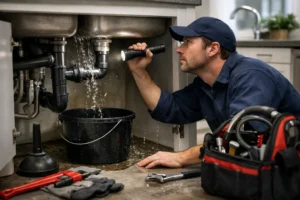
This is where local experience matters. A contractor who regularly works on older homes, urgent leak situations, and full repipes can usually spot the warning signs faster and explain the next step without making it confusing. Companies like Poly B Plumbing see these decisions up close, which helps homeowners get practical advice instead of guesswork.
The bottom line for most homes
If your property still has original Poly B, replacement is usually a matter of when, not if. The exact timing depends on leaks, insurance, renovation plans, and how much risk you are willing to carry. Spot repairs may buy time, but they rarely solve the larger problem.
The most cost-effective time to act is often before a failure damages drywall, flooring, insulation, or tenant space. If you are asking the question now, you are already in the right stage to get it inspected, price out your options, and make a decision on your terms instead of during an emergency.
Peace of mind is hard to measure until you have lived through a hidden leak. Replacing Poly B is not just about new piping. It is about avoiding the kind of call no homeowner wants to make at 10 p.m.