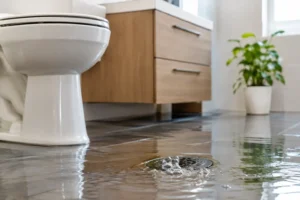
A sewer backup usually becomes real the moment water shows up where it should never be – a basement floor drain, a laundry sink, or the base of a toilet. When that risk is on your mind, one of the first questions is practical: what is the backwater valve installation cost, and what exactly are you paying for?
The short answer is that cost can vary quite a bit depending on your home’s plumbing layout, how accessible the main sewer line is, local permit requirements, and whether there is any concrete breaking or drain repair involved. For most homeowners, the price is not just about the valve itself. It is about opening the floor, accessing the building drain, installing the correct valve, testing it properly, and restoring the area so the system works the way it should when the municipal sewer is under pressure.
What affects backwater valve installation cost?
If you have seen a wide range of prices online, that is not unusual. A backwater valve is a straightforward device in concept, but the installation can be simple in one basement and much more involved in another.
The biggest cost factor is access. In many homes, the valve has to be installed on the main sanitary building drain beneath the basement slab. That means locating the line, cutting and removing concrete, excavating enough space to work safely, modifying the pipe, and then patching the floor after the new valve is in place. A house with a clear, accessible drain run generally costs less than one with tight mechanical rooms, finished basements, or older piping that needs extra work.
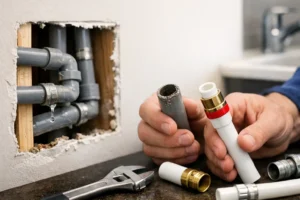
Pipe condition matters too. If the contractor opens the floor and finds aging cast iron, cracked fittings, root intrusion, or a poor layout, the project can expand. In that case, part of the budget may go toward correcting the drainage setup so the new valve is installed to code and has a better chance of performing properly over time.
Permits and inspections are another part of the picture. In many Ontario municipalities, a permit is required for this type of plumbing work, and some areas may have specific backwater valve program requirements. That adds cost, but it also adds accountability. A permitted installation helps confirm the work meets local code and can matter later if you sell the home or make an insurance claim tied to sewer backup protection.
Typical backwater valve installation cost range
For many homeowners, a typical backwater valve installation cost falls somewhere between about $2,000 and $5,000, with more complex jobs going higher. That range usually reflects standard residential installations where the contractor is cutting into the basement floor, accessing the main drain, installing the valve, and restoring the area afterward.
A lower-end project may involve easier access, modern piping, and minimal concrete work. A higher-end project often includes deeper excavation, drain modifications, permits, inspection coordination, or repairs discovered during the job. If the basement is finished, there may also be extra labor to protect surrounding materials and leave the space clean and serviceable.
The valve itself is only one small part of that number. Homeowners sometimes assume the cost should be close to the retail price of the component, but the real expense is the skilled labor, diagnosis, code compliance, and restoration work around it. This is one of those plumbing jobs where proper placement matters more than cutting corners.
Why estimates can differ so much
Two licensed plumbing companies can look at the same home and still provide different estimates. That does not always mean one is overcharging. It often means they are approaching the job with different assumptions about scope, material quality, floor restoration, or code-related work.
One estimate may only cover the valve installation itself, while another includes concrete removal, haul-away, permit handling, testing, and basic floor patching. Some quotes also account for camera inspection or additional drain work if the existing line is not in good condition. That is why a flat number without context can be misleading.
When you compare pricing, ask what is included. A clear estimate should explain whether the permit is included, whether concrete patching is part of the scope, what type of valve is being installed, and whether any drain repairs are anticipated if the line condition changes once opened.
Backwater valve installation cost and older homes
In older homes across North Bay and surrounding communities, pricing can move upward because the plumbing is less predictable. Older basements may have cast iron drains, unusual branch connections, limited cleanout access, or previous repairs that do not meet current standards.
That does not mean the installation is a bad investment. In many cases, older homes are exactly where a backwater valve makes the most sense because sewer backup risk can be more difficult to manage through pipe condition alone. It just means the contractor may need to do more investigation before giving a firm price.
A camera inspection is often useful here. If the main line has sagging, heavy scale buildup, or partial blockage, installing a valve without addressing those problems may leave the system vulnerable. A good contractor will tell you when the valve is only part of the solution.
Are there rebates or insurance benefits?
Sometimes, yes. Some municipalities and utility programs offer rebates for sewer backup protection measures, which may include backwater valves, sump pumps, or related drainage upgrades. Availability depends on where you live and whether the installation meets program requirements.
Even when there is no rebate, a properly installed backwater valve may help with insurance eligibility or premium considerations, depending on your policy and insurer. The details vary, so it is worth asking your insurance provider what documentation they require and whether permit records or inspection sign-off are needed.
This is one reason the cheapest installation is not always the best value. If the work is not documented properly or does not meet local requirements, you may lose out on reimbursement or insurance-related benefits later.
What is included in a professional installation?
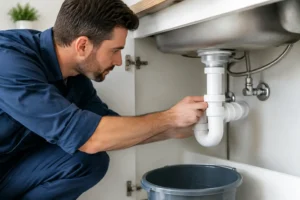
A professional backwater valve job should start with evaluating where the valve can be installed and whether the drainage layout is suitable. From there, the work typically includes exposing the building drain, cutting in the valve body, reconnecting and testing the line, and restoring the floor surface.
The contractor should also make sure the valve remains accessible for future maintenance. That matters because a backwater valve is not something you install and forget forever. It needs occasional inspection and cleaning to make sure the flap or gate can move freely and seal when needed.
For homeowners, that accessibility piece is easy to overlook. A valve hidden under permanent flooring or blocked by built-ins can become a problem later. A code-compliant installation should account for service access from the start.
How to budget without guessing
If you are trying to plan for the project, start by treating the valve installation as a site-specific job rather than a standard fixture replacement. A realistic budget often includes the valve, labor, concrete work, permit costs, and some room for unexpected drain repairs if conditions under the slab are not ideal.
The best next step is an on-site estimate from a licensed plumber who handles sewer backup protection work regularly. Photos help, but they rarely tell the full story. Floor thickness, pipe depth, branch connections, and existing drain material all affect price.
A clear estimate should feel straightforward. You should know what the plumber expects to do, what might change the cost, and how long the work is likely to take. That kind of clarity matters just as much as the number itself.
When the lowest quote can cost more later
Backwater valves protect your home at one of the worst possible moments – when the sewer system is backing up and there is no time for second chances. If the valve is installed in the wrong place, if the wrong type is used, or if the line is left with poor slope or hidden defects, the cheaper quote can become the expensive one.
That is why homeowners usually do best with licensed, local plumbers who are familiar with municipal requirements and who explain the scope in plain language. Companies like Poly B Plumbing build trust by being direct about pricing, permits, and what the job actually involves. That matters when you are making a decision that affects your basement, your insurance, and your cleanup risk.
The right question is not only, “What does a backwater valve cost?” It is, “What will it take to install it properly in this house?” Once you have that answer, the price makes a lot more sense – and the decision gets easier.