A failed backflow assembly usually stays out of sight until it creates a serious problem. One cross-connection, one pressure drop, or one faulty valve can let contaminated water move the wrong way through a plumbing system. That is why backflow prevention device installation matters for homeowners, landlords, and commercial properties that want to protect their drinking water and stay on the right side of code.
For many property owners, the challenge is not understanding the idea. It is knowing when a device is required, which type fits the building, and what the installation process actually looks like. Backflow protection is one of those plumbing services where doing it correctly the first time makes a big difference.
What backflow prevention actually protects against
Backflow happens when water reverses direction in a plumbing system and carries contaminants into the clean water supply. That reversal can happen because of backpressure, where downstream pressure becomes higher than supply pressure, or backsiphonage, where a sudden drop in supply pressure pulls water backward.
In real terms, this can happen at irrigation systems, boiler lines, fire suppression systems, commercial kitchens, hose bibbs, and equipment connected to chemicals or non-potable water. In some buildings, the risk is low and local fixture protection may be enough. In others, a properly selected testable assembly is required at the service entrance or on a specific branch line.
This is where a licensed plumber or certified backflow specialist becomes important. The right solution depends on the degree of hazard, the building use, and local code requirements. Installing the wrong device can leave the system non-compliant or unprotected.
When backflow prevention device installation is required
A lot depends on the property and how the water system is used. Residential homes with a simple plumbing layout may only need basic fixture-level protection in certain spots. But properties with irrigation systems, private wells tied into plumbing equipment, auxiliary water systems, boilers, or specialty equipment often need more formal backflow protection.
Commercial properties are more likely to require a testable assembly. Restaurants, multi-unit buildings, medical offices, industrial spaces, and buildings with mechanical systems usually face stricter requirements because the risk to the water supply is higher. Municipal rules, insurance expectations, and health regulations may all come into play.
If you own an older property, it is also worth checking whether an existing device is still approved, accessible, and working properly. Some systems were installed years ago under different standards. Others have been modified during renovations, which can change the level of hazard and the type of protection needed.
Choosing the right backflow device
Backflow prevention device installation is not a one-size-fits-all job. The most suitable assembly depends on what needs to be protected and how severe the contamination risk would be if backflow occurred.
For lower-risk conditions, a double check valve assembly may be acceptable. For higher-risk applications, a reduced pressure principle assembly is often required because it offers a higher level of protection. Pressure vacuum breakers and other specialized devices can also be used in certain settings, especially outdoors or on irrigation systems.
The trade-off is that stronger protection often comes with more installation requirements. Some assemblies need specific clearance for testing and maintenance. Some require drainage planning in case the relief valve discharges. Others must be installed in a certain orientation or protected from freezing. A device that looks fine on paper may be a poor fit if the location is tight, exposed to cold weather, or difficult to service later.
What to expect during backflow prevention device installation
A proper installation starts with an assessment, not a guess. The plumber reviews the plumbing layout, confirms the hazard level, checks local requirements, and determines where the assembly should be installed for protection and accessibility.
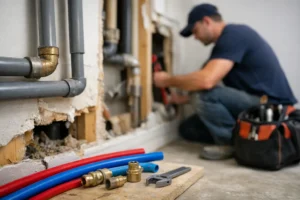
From there, the water supply is shut off and the installation area is prepared. Depending on the system, this may involve cutting into the line, adding shutoff valves, unions, test cocks, supports, and drainage considerations. The assembly is then installed according to manufacturer specifications and applicable code.
Testing and verification are a key part of the job. A backflow device is not just another valve in the line. It has to function correctly under real operating conditions. In many cases, especially on commercial systems and testable assemblies, certified testing is required after installation and at scheduled intervals after that.
Good installation work also includes practical details property owners care about. Is the device accessible for annual testing? Is it protected from freezing? Will it interrupt building operations if it needs service later? Those questions matter just as much as the initial fit.
Indoor vs. outdoor installation
One of the biggest decisions is where the device will go. Indoor installation can offer better freeze protection and easier service access, which is especially important in Ontario conditions. But interior mechanical spaces are not always ideal. Some assemblies need relief drainage, and some buildings simply do not have enough room for code-compliant placement.
Outdoor installation may work well for irrigation or certain service configurations, but it brings added concerns. Freeze exposure, drainage, vandal resistance, and access for testing all need to be addressed. A device installed outside without proper planning may work through one season and then fail when temperatures drop.
There is no universal best choice. The right answer depends on the building layout, local code, and how the system is used year-round.
Why code compliance matters here
Backflow work sits in a high-trust category of plumbing because the risk goes beyond one sink or one appliance. If a contaminated line cross-connects with potable water, the problem can affect tenants, customers, employees, or a larger water system.
That is why code compliance is not just a paperwork issue. It affects health, liability, and whether the installed assembly will pass inspection or required testing. Property owners sometimes try to solve the issue with a cheaper device or an improvised connection, only to end up paying again when it does not meet requirements.
Working with a licensed contractor helps reduce that risk. The value is not just in installing the assembly. It is in selecting the right protection method, placing it correctly, and making sure the job supports long-term serviceability.
Common problems after poor installation
Most backflow issues after installation are not caused by the device itself. They come from placement errors, incorrect sizing, poor support, missing drainage, or lack of freeze protection.
A device installed in a cramped corner may technically be in the system but impossible to test properly. An outdoor assembly without winter planning may crack and fail. A relief discharge line done incorrectly can create nuisance water issues or even safety concerns. In commercial settings, those mistakes can disrupt operations fast.
This is one reason property owners often choose experienced local plumbers for this kind of work. Fast service matters, but so does getting someone who understands inspections, access clearances, and the practical side of maintaining the assembly over time.
Backflow testing and ongoing maintenance
Backflow prevention does not end when the install is done. Many assemblies require periodic testing to confirm they are still operating correctly. Springs wear down, seals age, debris can affect performance, and changing water conditions can expose weaknesses that were not obvious at the start.
For commercial properties, annual testing is often expected or required. Residential systems may also need testing depending on the device type and local rules. If your property already has a backflow assembly, it makes sense to include it in regular plumbing maintenance rather than waiting for a notice, failure, or inspection issue.
That ongoing attention is often where a dependable local plumbing partner makes life easier. When the same company handles installation, testing, and future service, there is less guesswork and less chance of missed maintenance.
How to know it is time to call a plumber
If you are adding irrigation, renovating a commercial unit, replacing mechanical equipment, opening a restaurant, or dealing with municipal compliance notices, now is the right time to ask about backflow protection. The same goes for buildings with older plumbing systems or existing devices that have not been inspected in years.
A straightforward assessment can tell you whether backflow prevention device installation is needed, what kind of assembly fits your property, and what the work will involve. For property owners in North Bay and nearby communities, that kind of clarity matters. You want licensed advice, transparent pricing, and work that holds up under inspection and everyday use.
Clean water protection is not the place for shortcuts. A properly installed backflow device is one of those upgrades you hope never has to prove its value, but when system pressure changes or contamination risks show up, you will be glad it is there.