A frozen pipe rarely announces itself with a dramatic bang. More often, it starts with a weak trickle from a kitchen faucet on a bitterly cold morning, frost on an exposed line, or a room that suddenly feels much colder than the rest of the house. Knowing how to prevent frozen pipes before temperatures drop can protect your home, rental property, or business from a burst pipe, water damage, and an emergency repair bill.
In northern Ontario, pipes can freeze quickly during prolonged cold spells, especially in older homes, cottages, vacant properties, and buildings with plumbing near exterior walls. Prevention is usually straightforward, but it works best when you address both the pipes and the conditions around them.
Why pipes freeze in the first place
Water expands when it freezes. If ice forms inside a pipe, it can create pressure between the blockage and a closed faucet or fixture. That pressure can split copper, plastic, and even newer piping materials. A pipe does not always burst where the ice forms, either. The break may appear farther along the line once water begins flowing again.
The highest-risk areas are unheated or poorly insulated spaces: crawl spaces, basements, garages, attics, exterior walls, utility rooms, and cabinets beneath sinks. Pipes serving outdoor faucets, laundry rooms, additions, and seasonal properties also deserve close attention.
A cold draft can be enough to freeze a vulnerable pipe. So can a thermostat turned down too far, a furnace issue, an open garage door, or a power outage. For rural properties, well lines and equipment areas need the same careful planning as indoor plumbing.
How to prevent frozen pipes before a cold snap
The most reliable approach is to keep water lines warm, reduce cold air exposure, and make sure water has somewhere to move. Start before the forecast reaches extreme temperatures rather than waiting until pipes feel cold.
Insulate exposed water lines
Foam pipe insulation is a practical first line of defense for accessible pipes in basements, crawl spaces, garages, and utility areas. Cover exposed hot and cold water lines, paying close attention to elbows, valves, and sections near exterior walls. Insulation slows heat loss, but it does not create heat. In a space that remains below freezing for long periods, insulation alone may not be enough.
For pipes in very cold areas, use approved heat cable or heat tape designed for plumbing lines. Follow the product instructions carefully and inspect it before each winter. Damaged, overlapping, or improperly installed electrical heat tape can be a safety concern, so this is not a place to improvise.
If the pipe is hidden inside a wall or ceiling, the solution may involve insulating the surrounding cavity, sealing exterior gaps, or rerouting a line during a renovation. A licensed plumber can help identify the most practical option when recurring freezing is a problem.
Seal drafts near pipes
Cold air finds small openings around dryer vents, plumbing penetrations, foundation gaps, windows, and sill plates. Seal these openings with appropriate materials while making sure required vents remain clear and functional. Do not block furnace, water heater, or other combustion-air vents.
Inside the home, open cabinet doors beneath kitchen and bathroom sinks when temperatures drop sharply. This allows heated room air to reach pipes located against exterior walls. It is a simple step, but it can make a meaningful difference in older homes with limited wall insulation.
Keep the heat steady
Set your thermostat to a consistent temperature, including overnight. Turning the heat down significantly may save a little energy, but it can create a much larger risk when pipes run through cold zones. A safe setting depends on the home, insulation, and pipe location, but many property owners keep occupied spaces at 55°F or higher when away and warmer during severe weather.
Do not rely on a space heater as the primary protection for a plumbing area. Space heaters can be useful for temporary, supervised warming, but they create fire risks and may shut off or fail when you need them most. Permanent heating, insulation, and air sealing are safer long-term solutions.
Disconnect and drain outdoor connections
Before freezing weather arrives, disconnect garden hoses from outdoor spigots. A hose left attached can trap water, allowing ice to travel back into the faucet and indoor supply pipe. Drain the hose, store it indoors, and close the indoor shutoff valve for the exterior faucet if your home has one. Then open the outdoor faucet to drain the remaining water.
Frost-free faucets help, but they can still freeze if a hose remains attached or the faucet was installed incorrectly. If an outdoor spigot drips, has low pressure, or has frozen before, have it inspected before winter.
When to let faucets drip
During a deep freeze, allowing a vulnerable faucet to run at a small, steady trickle can help prevent freezing. Moving water is less likely to freeze than standing water, and an open faucet can relieve pressure if ice begins to form.
This is most useful for pipes along exterior walls or in areas that have frozen previously. Let both hot and cold water run if the faucet is supplied by separate lines. A drip is not a substitute for insulation or proper heat, and it does add modest water use, so reserve it for high-risk periods rather than making it a season-long habit.
If you use a well system, consider the additional water demand. In most cases, a small trickle during a short cold snap is manageable, but homes with well or septic concerns should use this strategy thoughtfully and focus on correcting the underlying cold exposure.
Protect vacant homes, cottages, and commercial properties
Unoccupied buildings need more than a low thermostat setting. Before leaving for an extended period, make sure the heating system is operating properly, doors and windows are secured, and vulnerable plumbing areas are insulated. Ask a trusted person to check the property after severe weather or install temperature monitoring with an alert system.
For seasonal cottages or buildings that will not be heated through winter, winterizing the plumbing system is often the better choice. This generally involves shutting off the water supply, draining lines, and protecting fixtures and traps correctly. Incomplete winterization can still leave water trapped in pipes, pumps, toilets, or appliances, so professional service is worth considering.
Commercial properties should also identify lines serving restrooms, mop sinks, kitchens, sprinkler-related rooms, exterior fixtures, and unheated storage areas. A freeze-up can interrupt operations, damage inventory, and create a slip hazard when a line thaws. Document who is responsible for building checks during holidays and overnight cold events.
Watch for early warning signs
Do not wait for a pipe to burst to take action. Warning signs include reduced or no water flow from one fixture, visible frost on a pipe, unusual smells from a drain or faucet, a bulging pipe, or a room that remains cold despite the heat being on. If only one faucet has no water while others work normally, a localized frozen pipe is possible.
Open the affected faucet and keep it open while you investigate. If you can safely reach the suspected area, gently warm it with warm air from a hair dryer, heating pad, or towels soaked in warm water. Start near the faucet and work toward the colder section so melting ice has a path to escape.
Never use an open flame, propane torch, or high-heat device on plumbing. Besides the fire risk, intense heat can damage piping and create steam pressure. If the pipe is behind a wall, the area is inaccessible, or you cannot locate the freeze, call a licensed plumber instead of opening walls or applying excessive heat.
If a pipe freezes or bursts
If you believe a pipe has frozen but has not burst, keep the faucet open and contact a plumber if safe warming does not restore flow quickly. Watch nearby walls, ceilings, and floors for dampness as the line thaws.
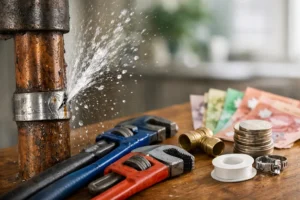
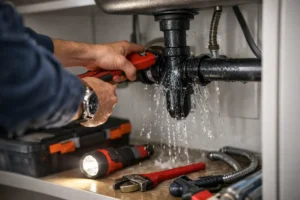
If a pipe bursts, shut off the main water supply immediately. If water is near electrical outlets, fixtures, or panels, avoid the area and turn off power only if it is safe to do so. Move belongings away from the leak, contain water where possible, and arrange repair promptly. Fast action limits damage, but the pipe should still be repaired correctly and the affected area checked for hidden moisture.
Poly B Plumbing helps homeowners and businesses across North Bay and nearby communities with frozen and burst pipe repairs, inspections, and practical prevention work. Clear recommendations before a cold spell are far easier to manage than water damage after one.
A few minutes spent insulating a pipe, closing an outdoor shutoff, or checking a cold utility room can save a property from a long winter repair. When a pipe has frozen before, treat it as a warning that the space needs a lasting fix before the next hard freeze.