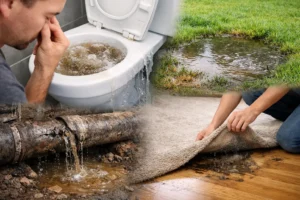
A slow kitchen sink can feel minor until the dishwasher backs up, the floor drain smells bad, or wastewater appears where it should not. A professional drain cleaning service addresses the blockage inside the pipe, not just the water sitting in the fixture. For homeowners, landlords, and business owners, prompt cleaning can prevent a frustrating clog from becoming a messy backup, property damage, or an interruption to daily operations.
Signs You Need a Drain Cleaning Service
One slow drain does not always mean the main sewer line is blocked. Hair, soap residue, grease, food particles, and mineral buildup can restrict an individual fixture over time. But recurring problems deserve attention, especially when plunging or a store-bought product only provides short-term relief.
Call for professional drain cleaning when drains repeatedly slow down, toilets gurgle after another fixture is used, water rises in a tub or shower, or more than one drain is affected at once. Sewer odors around drains, a wet area near a floor drain, and backups in a lower-level bathroom are also warning signs. These symptoms can point to a deeper blockage, a damaged pipe, or a main line issue that should be diagnosed before it worsens.
For commercial properties, the threshold should be even lower. A restaurant sink, staff washroom, or floor drain that does not drain properly can disrupt service, create sanitation concerns, and put employees and customers at risk. Early service is usually less disruptive than waiting for an overflow during business hours.
Why Drain Clogs Keep Coming Back
A drain can seem clear after a plunger, drain snake, or chemical cleaner removes part of the blockage. The problem is that partial clearing often leaves buildup attached to the pipe wall. Water may flow for a few days or weeks, then catch more debris and slow down again.
Kitchen drains commonly collect cooking grease, oil, coffee grounds, starches, and food scraps. Bathroom drains collect hair, soap film, toothpaste residue, and personal-care products. In older homes, pipe scale and corrosion can reduce the inside diameter of the line, making normal use more likely to cause a clog.
Main sewer line problems have different causes. Tree roots can enter small openings in underground pipes. Aging piping can crack, shift, or collapse. Flushing wipes, hygiene products, paper towels, and other non-flushable materials can create a serious obstruction. Rural properties may also need a closer look at how the building drain connects with septic components or other site-specific plumbing systems.
The right repair depends on what is actually in the line. That is why a professional assessment matters more than repeatedly treating the symptom.
What Professional Drain Cleaning Includes
A qualified plumber begins by asking practical questions: Which fixtures are affected? Did the issue start suddenly or gradually? Has the drain backed up before? Those details help determine whether the problem is local to one fixture or farther down the system.
The technician may use a cable machine to cut through and remove a blockage, or use other cleaning equipment based on the pipe, access point, and type of buildup. For recurring sewer issues, a camera inspection can be valuable. It allows the plumber to see whether the line has roots, heavy buildup, a break, a belly in the pipe, or another structural concern.
There is no single tool that is right for every drain. Aggressive cleaning methods can be effective in the correct situation, but the pipe material, age, and condition matter. A line with severe deterioration needs a careful approach and an honest recommendation, not a one-size-fits-all service.
A proper drain cleaning appointment should also include testing the drain after the work is complete. The goal is to confirm normal flow and identify whether the original issue has been resolved or whether further repair is needed.
Why Chemical Drain Cleaners Can Create Bigger Problems
Chemical drain cleaners are tempting because they are inexpensive and immediately available. They can sometimes soften a small organic clog, but they do not remove every obstruction and are not a dependable answer for recurring drainage problems.
Many chemical products generate heat or use harsh ingredients that can damage certain pipes, weaken older joints, and create a hazard for anyone working on the plumbing later. If the cleaner sits in a blocked drain, it may remain in the pipe rather than doing what the label promises. Mixing products or adding another cleaner after the first one fails can create dangerous fumes or reactions.
A plunger is often a safer first step for a simple fixture clog. If that does not work, stop before forcing the issue with repeated chemicals or an improperly used drain snake. A professional can clear the line while reducing the risk of pipe damage, leaks, or chemical exposure.
Drain Cleaning for Homes, Rentals, and Businesses
Every property has different priorities. A homeowner may need a kitchen drain working before guests arrive or a basement drain checked after a heavy rainfall. A landlord needs a reliable diagnosis that protects the building and provides clear information for tenants. A commercial operator needs work planned around customers, staff, sanitation requirements, and operating hours.
For homes with older plumbing, preventive attention can be especially valuable. Slow drainage may be the first visible sign of buildup in a line that has been in service for decades. For properties with trees near the sewer route, repeat root intrusion may require regular inspection and a longer-term repair plan.
Commercial kitchens need special care because grease accumulation can develop quickly. Staff habits, fixture volume, and maintenance schedules all affect how often service is needed. Offices, retail spaces, and multi-unit properties can also benefit from planned maintenance when a drain problem would affect several occupants or require closing a restroom.
How to Prevent the Next Clog
Good daily habits will not solve a broken sewer line, but they can reduce the routine buildup that causes many service calls. Keep cooking grease out of kitchen drains, even when it is mixed with hot water. Let grease cool in a container and dispose of it properly. Use sink strainers to catch food scraps and hair, and empty them regularly.
Only toilet paper and human waste should be flushed. Products labeled “flushable” can still catch on rough pipe surfaces, collect debris, and cause restrictions. In bathrooms, removing visible hair from the drain cover is a simple task that can prevent a larger clog.
Pay attention to changes instead of waiting for a full backup. A drain that starts gurgling, smells unusual, or takes longer to empty is giving you useful information. Addressing it early usually gives a plumber more options and can help avoid emergency cleanup.
Choosing a Drain Cleaning Company
Drain cleaning is not just about arriving with a machine. Choose a licensed local plumbing company that can diagnose the whole issue, explain the findings in plain language, and provide clear pricing before work begins. Ask whether the technician can inspect the line when recurring clogs suggest a larger problem.
Fast response matters, but so does communication. You should know when the technician is arriving, what work is recommended, and whether a repair is necessary after cleaning. For property owners and managers, documentation of the problem and recommended next steps can make future maintenance decisions much easier.
Poly B Plumbing provides drain cleaning and broader plumbing support for homes and businesses throughout North Bay and nearby communities. The focus is straightforward: licensed service, clear communication, and practical solutions for both urgent clogs and recurring drainage concerns.
If water is backing up, avoid running additional fixtures until the drain has been checked. Turning off the water to a fixture if it is overflowing, keeping children and pets away from contaminated water, and calling for help early can limit the damage. A clear drain should be something you can rely on, not something you have to worry about every time you turn on the tap.