A slow drip beneath a bathroom sink can waste water for months before it becomes visible damage. A drain that takes a little longer to clear can turn into a backup at the worst possible time. A practical home plumbing maintenance plan gives you a regular way to catch those warning signs while repairs are still straightforward and affordable.
For homeowners, landlords, and property managers, plumbing maintenance is less about doing everything yourself and more about knowing what to look for, what to avoid, and when to bring in a licensed professional. The right routine protects your property, helps systems last longer, and reduces the chance that a small concern becomes an after-hours emergency.
What a home plumbing maintenance plan should cover
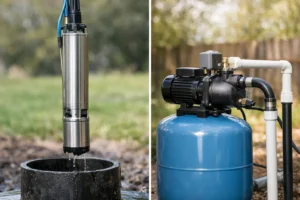
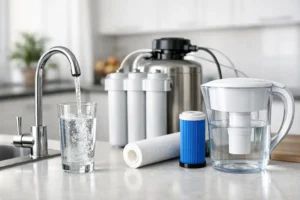
A useful plan focuses on the parts of your plumbing that work every day: supply lines, fixtures, drains, appliances, water heating equipment, shutoff valves, sump systems, and any specialized equipment such as a well pump or water filtration system. The exact schedule depends on the age of the property, how many people use it, and whether the home has rural water or drainage systems.
Older homes deserve closer attention. Aging pipes, worn shutoff valves, outdated drain connections, and previous repairs can create hidden weak points. Newer homes also benefit from routine checks, particularly when construction debris, hard water buildup, or heavy household use affects fixtures and drains.
The goal is simple: look for changes. A plumbing system rarely fails without some signal first, whether that is reduced water pressure, a recurring clog, an unexplained increase in a water bill, staining on a ceiling, or a pump running more often than usual.
Monthly checks that take only a few minutes
Once a month, walk through the home with plumbing in mind. Open cabinets under sinks and look for moisture, corrosion, swollen wood, or a musty odor. Check around toilet bases for movement or dampness, and listen for a toilet that continues to run after flushing.
Run water at every faucet. Notice if the pressure has changed, if the water drains slowly, or if a fixture makes unusual noises. A single slow drain may be a local blockage. Several slow drains at once can point to a larger drainage issue that needs professional attention.
Also check visible supply hoses serving toilets, washing machines, dishwashers, and refrigerators. Hoses should not be kinked, bulging, rusty at the connections, or sitting under constant strain. These are small observations, but catching a failing connection early can prevent extensive water damage.
Do not use chemical drain cleaners as a maintenance habit. They may provide a temporary result, but harsh products can damage certain pipes and do not address the source of repeated clogs. If a drain keeps backing up, professional drain cleaning and inspection is usually the safer long-term answer.
Seasonal plumbing maintenance for northern homes
In and around North Bay, a maintenance plan needs to account for long freezing conditions. Cold weather puts exposed pipes, exterior connections, sump systems, and older plumbing at greater risk.
Before winter arrives
Disconnect and drain outdoor hoses, then shut off and drain exterior water lines if your setup allows it. Insulate pipes in unheated areas such as crawl spaces, garages, utility rooms, and exterior walls. If a room is rarely used, keep the heat on and open cabinet doors during severe cold so warm air can reach plumbing beneath sinks.
Locate the main water shutoff valve and make sure everyone responsible for the property knows where it is. Test that it turns properly if it has not been operated in years. In a burst-pipe situation, shutting off water quickly can make a major difference.
During freezing weather
Pay attention to reduced flow at a faucet, frost on nearby walls or pipes, or rooms that feel unusually cold. These can be early signs of a frozen line. Do not use an open flame or aggressive heat source on plumbing. If you suspect a pipe is frozen or has burst, contact a licensed plumber promptly, especially if you cannot access the affected line safely.
Spring and heavy-rain checks
When snow melts or rainfall increases, test the sump pump before you need it. Pour water into the pit until the float activates and confirm the pump starts, discharges water properly, and shuts off afterward. Check the discharge route for blockages and make sure water is directed away from the foundation.
A sump pump that hums but does not move water, runs continuously, or cycles too often needs service. Waiting until the basement is wet limits your options.
Keep drains clear without creating new problems
Good drain habits are one of the most effective parts of a home plumbing maintenance plan. Kitchen drains are not designed for grease, coffee grounds, fibrous food scraps, or large amounts of food waste. Bathroom drains need protection from hair, soap buildup, and products that do not break down in water.
Use sink strainers, remove collected debris regularly, and wipe grease from cookware into a container before washing it. In bathrooms, clean stoppers and hair catchers before drainage noticeably slows. These small tasks are easier than dealing with a blocked line.
For properties with recurring backups, sewage odors, gurgling fixtures, or multiple drains affected at the same time, skip the guesswork. The cause could be deeper in the drain or sewer line, and it may require camera inspection or professional cleaning. Repeatedly plunging or treating the same drain does not fix a damaged or obstructed line.
Plan annual professional maintenance
Homeowner checks are valuable, but some plumbing components require a trained eye. An annual plumbing inspection can identify concealed leaks, pressure concerns, fixture wear, drain issues, and aging components before they fail. It also gives you a documented starting point for planning repairs instead of reacting to them.
Annual service is especially worthwhile if your property has any of the following:
- A basement sump pump or history of water intrusion
- A well pump, water treatment equipment, or other rural water systems
- Older pipes, recurring leaks, or frequent drain clogs
- Rental units or a commercial space where disruptions affect tenants or operations
- A water heater that is nearing the end of its expected service life
The right level of maintenance depends on the system. A newer home with municipal water may need a straightforward annual inspection. A rural home with a well, pump, filtration equipment, and septic-related concerns may need more specialized, scheduled service. There is no benefit in paying for work you do not need, but postponing known issues often costs more than addressing them on a planned timeline.
Know the signs that should not wait
Some plumbing problems move quickly. Call for service when you see water stains spreading on a ceiling or wall, water collecting around a fixture, a sudden unexplained loss of pressure, sewage backing up, or a sump pump that fails during wet weather.
A sharp jump in your water bill also deserves attention, even if you cannot find a visible leak. Hidden leaks can occur behind walls, beneath floors, or underground. Professional leak detection can narrow down the source without unnecessary demolition.
If you own a rental property or manage a business, establish a clear reporting process for leaks and drainage problems. Tenants and staff often notice warning signs first. Prompt reporting and fast repairs protect the building, reduce disruption, and show people that the property is being properly maintained.
Make the plan easy to follow
Maintenance only works when it is realistic. Add a monthly plumbing reminder to your calendar, schedule a seasonal check before freezing weather and spring thaw, and keep a simple record of repairs, inspections, and equipment age. Save the location of shutoff valves, pump information, and service notes where they are easy to find.
If you are not sure whether a change is minor or urgent, it is better to ask early. Poly-B Plumbing helps homeowners and property owners in North Bay, Sturgeon Falls, Bonfield, and Powassan make clear decisions with licensed service and straightforward pricing. A quick inspection today can protect your home from a much bigger problem tomorrow.