A slow drip beneath a bathroom sink, a faint sewer smell near a floor drain, or a water heater that takes longer to recover can all be early warnings. The best plumbing inspection checklist helps homeowners and property managers find those warnings before they become water damage, interrupted service, or an expensive emergency call.
A good inspection is not about taking fixtures apart or guessing at repairs. It is a practical look at the parts of your plumbing system that see daily wear, hidden moisture, changing temperatures, and heavy water use. Start with what you can safely see and test, then bring in a licensed plumber when something does not look, sound, or perform as it should.
What the Best Plumbing Inspection Checklist Covers
Your plumbing system is connected from the water entering the building to the drains carrying wastewater away. A useful inspection should follow that path, while also checking the equipment and safeguards that protect your property. For most homes, a seasonal walk-through and a more detailed annual inspection are a sensible schedule. Older homes, rental properties, rural homes with wells, and businesses with high restroom or kitchen use may need more frequent attention.
1. Check visible pipes, fittings, and shutoff valves
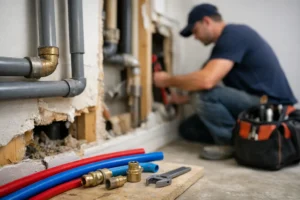
Look under sinks, behind toilets where accessible, around laundry connections, and near your water heater. Pipes and fittings should be dry, with no corrosion, mineral buildup, discoloration, or staining on nearby cabinets, walls, or flooring. Even a small amount of recurring moisture can damage materials over time.
Operate accessible fixture shutoff valves carefully. They should turn without excessive force and fully stop the water supply when needed. A valve that is seized, leaking around the handle, or difficult to reach can turn a minor fixture repair into a bigger problem during an emergency.
Pay special attention to older plumbing materials. If you are unsure what type of pipe is installed in your home, a professional inspection can identify it and explain whether its age, condition, or connection points warrant monitoring or replacement planning.
2. Test faucets, toilets, showers, and drains
Turn on each faucet and shower, one at a time. Watch for weak flow, sputtering, unusual noise, leaks at the base of the faucet, or water collecting around handles. Low pressure at a single fixture may be a clogged aerator or localized issue. Low pressure throughout the building can point to a larger supply concern.
Run water in every sink, tub, and shower and note how quickly it drains. A drain that slows after a few seconds, gurgles, or releases an odor may have buildup, a venting issue, or a developing blockage. Chemical drain cleaners can damage certain pipes and rarely solve the underlying cause, so repeated clogs are better evaluated professionally.
Flush every toilet and wait for the tank to refill. Check for a weak flush, water around the base, a rocking toilet, or a toilet that continues running after the tank is full. A running toilet can waste a surprising amount of water, while moisture at the base may signal a seal issue that should not be ignored.
3. Look for hidden leak clues
Not every leak appears as a steady drip. Use your water meter as a simple screening tool. Turn off faucets, appliances, and any water-using equipment, then check whether the meter continues to move. If it does, there may be a leak somewhere in the system.
Inside the property, inspect ceilings below bathrooms, laundry rooms, and kitchens for stains, peeling paint, soft drywall, or a musty smell. Open cabinets below sinks and feel for dampness along the bottom panels. Outside, look for unusually wet areas, unexplained green patches, or pooling water near the foundation.
A meter check cannot tell you where a leak is located, and it may not be practical for every commercial property. It is still a useful reason to call for leak detection before damage spreads behind walls or below floors.
4. Inspect the water heater and its surroundings
Check the area around the water heater for rust, moisture, corrosion, or water marks on the floor. The unit should not make banging, popping, or rumbling sounds during normal operation. Those sounds can be associated with sediment buildup or other service needs.
Confirm that the temperature setting is appropriate for the household and that hot water is reaching fixtures consistently. Water that is rusty, has an unusual odor, runs out quickly, or varies widely in temperature deserves attention. Also inspect visible connections and the drain area around the unit for signs of leakage.
Water heaters have a limited service life, but replacement timing depends on the unit type, maintenance history, water quality, and condition. An inspection gives you time to plan rather than make a rushed decision after a failure.
5. Check sump pumps, floor drains, and backup protection
For properties with a basement, sump pump testing belongs on every plumbing checklist, especially before periods of heavy rain or snowmelt. Make sure the pit is clear of debris, the pump is upright, and the discharge line is directed away from the foundation. Test the pump according to the manufacturer instructions, if it is safe to do so, and listen for unusual noise or hesitation.
Floor drains should be clear and free of persistent odor. Infrequently used drains can dry out and allow odors into the building. Adding water to the drain can restore the trap seal, but recurring smells or backups should be investigated.
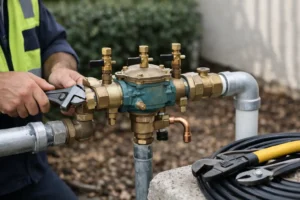
If your property has a backwater valve or similar backup protection, ask a licensed plumber about the recommended inspection and cleaning schedule. These devices are valuable during sewer backup conditions, but they must be accessible and maintained to work as intended.
6. Review outdoor, well, and seasonal plumbing needs
Outdoor faucets, hose connections, and exposed pipes need a close look before freezing weather arrives. Disconnect hoses, shut off and drain exterior lines where your plumbing setup allows, and make sure exposed piping is properly protected. A small outdoor leak or an unprotected line can become a burst-pipe repair when temperatures fall.
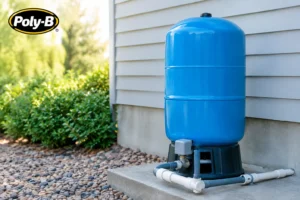
Rural properties need a few additional checks. If you rely on a well, watch for changes in water pressure, pump cycling, air in the lines, cloudy water, or a sudden change in water quality. Well pumps and pressure systems require specialized assessment, and early service can help prevent a loss of water supply.
Water filtration equipment should also be reviewed for leaks, expired filters, and reduced flow. Follow the manufacturer service schedule, but do not assume a filter change will correct every water-quality concern. Testing and professional diagnosis may be needed when the source of the issue is unclear.
When a Professional Plumbing Inspection Makes Sense
A homeowner checklist is a strong first line of defense, but some problems are not visible. Camera drain inspections, pressure testing, leak detection, water quality concerns, recurring clogs, sewer odors, and unexplained increases in water use all call for professional equipment and experience.
An annual inspection is particularly worthwhile before a renovation, when buying an older property, after a freeze, or when managing a rental or commercial building. For restaurants, offices, and retail spaces, preventive inspection can reduce the risk of a plumbing problem disrupting employees, customers, or daily operations.
A licensed plumber can also identify code concerns, test backflow protection where required, and give clear advice on repair priorities. The goal is not to replace working equipment without reason. It is to separate a small maintenance task from a developing problem that could cause damage later.
Keep a Simple Inspection Record
Write down the date of each inspection, any slow drains or leaks you noticed, repairs completed, and the age of major equipment. Photos of pipe labels, water heater information, and problem areas can be useful when you need service. For landlords and commercial operators, a basic record also makes it easier to spot repeat issues across units or fixtures.
If something changes between inspections, trust the change. A new noise, odor, stain, pressure drop, or higher water bill is worth investigating early. For homeowners and businesses in North Bay and nearby communities, Poly-B Plumbing can provide a clear, licensed assessment when a checklist raises questions that need a closer look.