A well system rarely fails at a convenient time. One day the water pressure is normal, and the next you are hearing the pump cycle constantly, finding cloudy water at the tap, or getting no water at all. When you need well pump replacement North Bay property owners can rely on, the priority is getting a clear diagnosis, straightforward pricing, and a repair plan that protects the water supply your home or business depends on.
A failing well pump does not always mean immediate replacement. Pressure switches, electrical controls, tanks, piping, and water treatment equipment can create similar symptoms. A qualified well-system technician should identify the actual cause before recommending major work. When replacement is the right answer, acting before a complete loss of water can save stress, prevent further damage, and make scheduling much easier.
Signs Your Well Pump May Be Failing
The most obvious sign is a complete loss of water. Before assuming the pump has failed, check whether a breaker has tripped and whether the issue affects every fixture. If water is unavailable throughout the property, contact a licensed professional promptly rather than repeatedly resetting equipment or trying to force the system to run.
More often, the warning signs show up gradually. Low or inconsistent water pressure can point to a worn pump, a damaged line, a failing pressure tank, or a control problem. A faucet that sputters may indicate air in the system, while cloudy, sandy, or discolored water can suggest sediment is entering through a damaged well component or a pump that is pulling material from the bottom of the well.
Short cycling is another issue worth taking seriously. This is when the pump turns on and off frequently, sometimes even when water is not being used. The cause may be a pressure tank problem, a pressure switch issue, a leak, or a pump nearing the end of its service life. Constant cycling puts extra strain on equipment and can increase electrical use.
Pay attention to changes, even if they seem minor. A new clicking sound near the pressure switch, water that takes longer to recover after showers or laundry, or a sudden rise in utility costs can all justify an inspection. Rural properties in North Bay, Bonfield, Powassan, and Sturgeon Falls often rely on well systems every day, so small symptoms deserve a timely response.
When Well Pump Replacement in North Bay Makes Sense
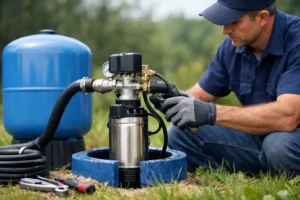
A pump replacement is usually recommended when testing confirms that the pump motor or internal components are no longer operating reliably. Submersible pumps are installed deep in the well, which means accessing them takes specialized equipment and experience. If the unit is old, badly worn, or has failed outright, replacing it may be more practical than paying for a short-term repair that does not address the underlying issue.
Age matters, but it is not the only factor. A properly sized and installed well pump may serve a property for many years, but its lifespan depends on water quality, sediment, how frequently it runs, the depth of the well, electrical conditions, and the condition of the pressure system. A large household with frequent water demand places different demands on a system than a seasonal property or a small office.
Replacement can also make sense when the existing pump was never correctly matched to the well or the property’s needs. An undersized pump may struggle to keep up during peak use. An oversized pump can contribute to short cycling if the rest of the system is not configured to support it. The right recommendation considers more than the pump itself. It considers the well yield, household demand, pressure tank capacity, controls, piping, and filtration equipment.
There is a trade-off between the lowest immediate cost and reliable long-term operation. Replacing only the failed part may be appropriate in some cases. In others, updating related worn components at the same time can reduce the chance of another service call soon after. A clear assessment should explain both options without pressure, including what is urgent and what can reasonably wait.
What a Proper Replacement Process Looks Like
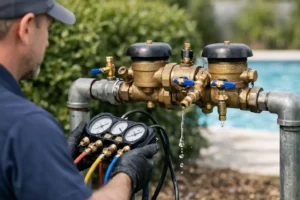
Well pump work begins with diagnosis. A technician should review the symptoms, test system pressure and electrical controls, inspect accessible components, and determine whether the trouble is with the pump, tank, switch, wiring, plumbing, or another part of the system. This step matters because replacing a pump will not solve a pressure-tank or control issue.
If the pump needs to be pulled, the work area is prepared to protect the wellhead and surrounding property. The existing pump and drop pipe are carefully removed, then the technician inspects the condition of the components that come out of the well. Depending on what is found, damaged wiring, fittings, check valves, or piping may also need attention.
The replacement pump must be selected for the property, not simply installed as a one-size-fits-all part. Proper sizing affects water pressure, recovery time, energy use, and the life of the equipment. Once installed, the system should be tested for pressure performance, cycling behavior, and reliable water delivery before the job is considered complete.
Ask for the scope of work in plain language before the work begins. You should know what is being replaced, what testing is included, whether any related components are recommended, and how pricing is handled if conditions inside the well reveal additional issues. Clear communication is especially valuable with well work because some components cannot be fully inspected until the pump is pulled.
Protecting Your Water System After Replacement
A new pump is a good time to look at the full water system. If the pressure tank is weak, the pressure switch is corroded, or filters are overdue for service, those problems can affect the performance of the replacement pump. Addressing maintenance items early helps the system run as designed.
Homeowners can also reduce unnecessary strain by watching for leaks, replacing filter cartridges on schedule, and avoiding unusually high water use over long periods when possible. If the pressure changes, the pump begins cycling often, or the water quality shifts, arrange service before the problem becomes an emergency.
For landlords and commercial operators, routine inspections can be particularly useful. A water interruption affects tenants, staff, customers, and daily operations. Planning maintenance during a convenient window is usually less disruptive than responding to a failure after hours.
Choose a Contractor Who Understands Well Systems
Well pump replacement is not routine fixture work. It requires a contractor who can diagnose the entire water-delivery system, work safely with well equipment, and explain the findings clearly. Licensing, well-system qualifications, reliable scheduling, and transparent pricing all matter when your property’s water supply is on the line.
Poly-B Plumbing provides well-system service with the same direct communication it brings to plumbing work throughout the area. The goal is not to sell a replacement before it is needed. It is to identify the cause of the problem, give you a clear path forward, and complete the work with care.
If your water pressure has changed or your pump is showing signs of trouble, do not wait for the system to stop completely. A timely inspection can give you options, protect your water supply, and help you make a confident decision before an urgent problem takes over your day.