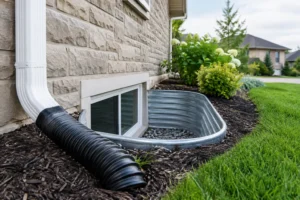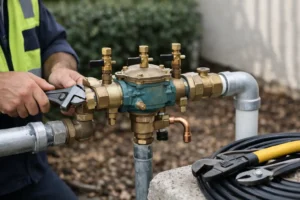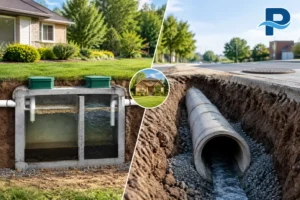
A basement flooding example can start with something as ordinary as a heavy overnight rain. A homeowner wakes up, walks downstairs, and finds water spreading across the floor near the laundry area. The sump pump is running, but the water level in the pit is not dropping. Within an hour, stored boxes are wet, flooring is damaged, and the source of the problem is still unclear.
That is the frustrating part of a flooded basement: the visible water is only one issue. The real priority is finding out where it came from, making the area safe, and preventing a second round of damage. Whether you own a family home, rental property, or commercial building, a quick, organized response makes a meaningful difference.
A Basement Flooding Example: How a Small Failure Grows
Picture a home with a finished basement and a sump pit in one corner. Several days of rain have saturated the ground around the foundation. The sump pump should move groundwater away from the home through a discharge line, but a partial blockage in that line has reduced its flow.
The pump continues to run, yet it cannot clear the pit fast enough. Water eventually rises above the basement floor level and begins entering the room. At first, the homeowner assumes the water is coming through the wall. After closer inspection, it is clear that the sump system is overwhelmed.
This situation is common because flooding is not always caused by one dramatic event. It can be a combination of heavy rain, a tired pump, a stuck float switch, a blocked discharge pipe, a power interruption, or poor drainage outside the home. In older properties, cracks in the foundation or deteriorating drain tile can add another path for water to enter.
The lesson is not that every wet basement needs a major excavation project. It is that guessing can be expensive. A licensed plumber can assess the sump pump, check its discharge route, identify plumbing leaks, and help separate a mechanical issue from a drainage or foundation concern.
What to Do in the First Hour
Do not rush into standing water. If water is near outlets, electrical panels, appliances, or extension cords, stay out of the affected area until the electrical risk has been addressed. Water and electricity are a dangerous combination, even when the flood appears shallow.
If it is safe to do so, look for a clear source. Is water coming from a burst supply pipe, a leaking water heater, a drain, a toilet, the sump pit, or along an exterior wall? You do not need to diagnose every detail, but knowing where the water appears first helps determine the next step.
When a supply pipe or plumbing fixture is actively leaking, shut off the main water supply if you can do so safely. This will not stop groundwater or a sewer backup, but it can stop a pressurized plumbing leak from continuing to fill the basement. If the water is coming from a drain or toilet, avoid using sinks, showers, dishwashers, and laundry equipment until the drainage problem is checked.
Move valuables, furniture, and stored items out of the wet area if the space is safe to enter. Take photos before cleanup begins. Documentation can help with insurance conversations and gives your plumber a clearer picture of how and where the flooding started.
Then call for help. A fast plumbing assessment is especially important when water is rising, a sump pump is not operating properly, a drain is backing up, or the source is uncertain. Waiting to see whether the water goes away can turn a repairable issue into damaged walls, flooring, and belongings.
How to Tell What Kind of Water You Have
The source affects both the repair and the cleanup. Clear water near a pipe, water heater, or appliance supply line may point to a plumbing leak. Water collecting around the sump pit after rain often suggests a sump or groundwater drainage issue. Water that comes up through a floor drain, toilet, or shower drain may indicate a blocked sewer line or backup.
Treat any water from a drain backup as contaminated. Keep people and pets away, do not use towels or household equipment you plan to keep for cleanup, and avoid spreading the water into clean areas. A drain and sewer professional can inspect the line and recommend the appropriate repair.
It also depends on timing. If the basement gets wet only during rain or snowmelt, exterior drainage and sump performance deserve attention. If it floods when someone runs the washing machine or takes a shower, the issue may be inside the plumbing or drain system. If water appears with no rain and no fixture use, a hidden pipe leak may be the leading concern.
Why Sump Pumps Need More Than a Quick Test
Many homeowners check a sump pump by lifting the float or pouring water into the pit. That is a useful start, but it does not confirm the whole system is ready for a heavy storm. A pump may run while moving too little water, or it may send water outside only for it to flow back toward the foundation.
A proper inspection looks at the pump, float operation, check valve, discharge line, pit condition, and the direction water travels once it leaves the home. Battery backup options can also be worth considering in areas where storms can interrupt power. The right setup depends on the home, the amount of groundwater, and how quickly water collects around the foundation.
For rental owners and commercial operators, this is not only a maintenance concern. A failed sump system can disrupt tenants, inventory, records, and daily operations. Regular inspections are generally less disruptive and less costly than handling a flooded space after the fact.
Repairs That Address the Cause, Not Just the Water
Removing standing water matters, but drying the floor without correcting the source leaves the property exposed. The right repair depends on what inspection finds.
A failed sump pump may need replacement, while a blocked or frozen discharge line may need clearing or rerouting. A leaking supply line may require a targeted pipe repair or replacement. Repeated drain backups can call for drain cleaning, camera inspection, or repair of a damaged sewer line. In some cases, the plumbing system is working correctly and the homeowner needs additional drainage or foundation work from the appropriate specialist.
That distinction matters. A trustworthy service provider should explain what was found, what needs immediate attention, and what can be planned. Clear options and flat-rate pricing help property owners make decisions without pressure during an already stressful event.
Preventing the Next Flood
The most useful prevention plan is specific to your property. Start by having the sump pump and discharge system inspected before the heaviest wet-weather season. Keep the pit accessible, test the pump periodically, and make sure the discharge outlet stays clear of ice, leaves, soil, and debris.
Pay attention to warning signs between storms. A pump that runs constantly, strange noises from the pit, dampness along one wall, slow drains, recurring odors, or water marks near a floor drain should not be ignored. These are often early chances to repair a problem before water reaches finished areas.
If your basement contains a water heater, laundry equipment, finished rooms, or valuable storage, consider how quickly you could respond. Know where the main water shutoff is located, keep important items off the floor, and make sure everyone in the household knows not to use plumbing fixtures during a suspected drain backup.
For homeowners in North Bay, Sturgeon Falls, Bonfield, and Powassan, seasonal weather and older plumbing systems can make preventive checks especially worthwhile. Poly-B Plumbing provides licensed help with sump pumps, leak detection, pipe repairs, and drain issues, with straightforward communication about the work your property needs.
When water shows up in your basement, focus first on safety and the source. A prompt call can protect more than the floor – it can protect the parts of your home or property that matter most.