A burst pipe at 11 p.m. does not give you time to comparison shop. When water is spreading across a basement floor or a toilet is backing up into a business washroom, most people want one thing first – a licensed plumber who answers and shows up. Right behind that comes the next question: what is the average cost for emergency plumbing repair?
The honest answer is that emergency plumbing prices vary quite a bit, because the problem itself matters more than the word emergency. A small leak under a sink is priced very differently from a frozen pipe that has split behind a wall, and both are different again from a sewer backup or a failed sump pump during heavy rain. Time of day, access, parts, and how much damage is already happening all affect the total.
For most homeowners and property managers, a reasonable starting range for emergency plumbing repair is often between $250 and $1,500, with more complex repairs running higher. That range is broad on purpose. Emergency service usually includes the urgent response, diagnosis, labor, and whatever parts are needed to stop damage and restore safe operation. If the plumber has to open walls, replace larger sections of pipe, bring in specialized equipment, or return for follow-up restoration work, the final cost can move well beyond that starting range.
What affects the average cost for emergency plumbing repair?
The biggest pricing factor is the type of emergency. If a shut-off valve has failed and a plumber can isolate the line and replace a straightforward component, the repair may stay near the lower end of the range. If the issue involves a broken drain line, a main water line problem, or significant hidden leakage, the labor and materials increase quickly.
Timing also plays a role. Nights, weekends, holidays, and severe weather events usually carry a premium because you are asking a technician to respond outside regular scheduling. That does not mean the price is inflated without reason. It reflects staffing, availability, and the operational cost of keeping emergency service ready when most businesses are closed.
Access is another major piece of the bill. A leaking pipe under an open basement ceiling is one thing. A leaking pipe behind tile, inside a crawl space, under a slab, or in a finished commercial unit is another. The harder it is to reach the source, the more time the repair takes, and time is a real cost in emergency plumbing.
Parts matter too, especially when the system is older or uses materials that are no longer standard. Older homes and mixed plumbing systems can create delays and extra fitting work. In some cases, the immediate emergency repair is only the first step, and a more permanent replacement is recommended once the property is stable.
Typical emergency plumbing costs by problem
A simple emergency leak repair might cost a few hundred dollars if the issue is isolated and easy to access. Think of a failed supply line, a damaged shut-off valve, or a small visible pipe crack. These are still urgent, but they are often more predictable.
Frozen and burst pipe repairs usually cost more because the plumber is dealing with both the failure and the reason it happened. If one section of pipe has split, the repair may be fairly contained. If multiple sections are affected, or if thawing and inspection are needed across a larger area, the cost rises. Water damage risk also makes this type of call more urgent, which can influence how much work needs to happen right away.
Drain and sewer emergencies can move into the mid to upper range quickly. A severe clog may be resolved with clearing equipment and testing, but if the line has collapsed, shifted, or backed up because of roots or grease buildup, the repair becomes more involved. For commercial properties like restaurants or multi-unit buildings, downtime and sanitation concerns raise the stakes even further.
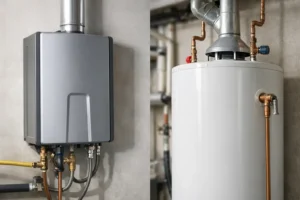
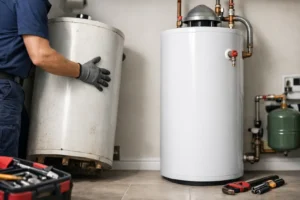
Water heater emergencies depend on whether the issue is a leak, a failed component, or a complete unit replacement. An emergency repair on a valve, connection, or heating component may be manageable. A leaking tank often means replacement is the safer choice. In that situation, the emergency call fee may be only a small part of the final invoice.
Sump pump failures are another category where the price depends heavily on timing. During a storm or spring melt, fast response can prevent thousands in basement damage. Replacing a pump, correcting discharge issues, or addressing electrical and check valve problems may cost more in the moment, but waiting can cost much more.
Why emergency plumbing can cost more than scheduled service
Many customers wonder why the same repair costs more during an emergency than during a normal daytime appointment. The answer is not just about the clock. Emergency plumbing is about immediate mobilization, service readiness, and risk control.
A scheduled repair gives the company time to plan the route, stage parts, assign labor efficiently, and work within standard business hours. An emergency call interrupts that system. The technician may need to leave another job, diagnose a problem with limited information, and solve it with whatever is available that night or that weekend.
There is also more pressure to make the area safe right away. Emergency plumbers are often stopping active water flow, preventing contamination, protecting nearby finishes, and making sure the property can function until full repairs are completed. That speed has value, especially when every hour of delay can lead to drywall damage, mold growth, flooring loss, or business interruption.
When the lowest quote is not the lowest cost
In plumbing emergencies, a cheap initial number can be misleading. Some companies advertise very low call-out pricing, then add charges for diagnosis, after-hours labor, basic parts, travel, or equipment use. By the time the work is done, the invoice looks very different from what the customer expected.
That is why transparent flat-rate pricing matters. A reputable local plumber should explain what is included, what is not, and whether the emergency fix is temporary or permanent. This protects you from paying twice – once for a rushed patch and again for the real repair a few days later.
Licensed workmanship matters just as much as price. Emergency repairs done incorrectly can create insurance issues, code violations, repeat leaks, and larger failures later on. For homeowners, landlords, and business operators, the best value is usually the plumber who communicates clearly, diagnoses accurately, and fixes the problem properly the first time.
How to keep emergency plumbing costs under control
You cannot prevent every emergency, but you can reduce how expensive they become. The first step is acting quickly. Shutting off the water supply, stopping fixture use, and calling right away often limits both plumbing work and property damage.
The second is knowing your system. If you own an older home, have Poly B piping, rely on a well system, or have a history of basement water issues, preventive inspections are worth it. Many expensive emergency calls start with warning signs that were easy to overlook – slow drains, small leaks, inconsistent water pressure, odd noises, or a sump pump that has not been tested in months.
The third is choosing a plumber before you need one. In an emergency, people tend to call the first number they find. If you already know a licensed local company with clear pricing and strong reviews, you are less likely to make a rushed decision under stress. That is one reason many property owners work with companies like Poly B Plumbing for both urgent repairs and routine maintenance.
What to ask before approving an emergency repair
Even in a stressful situation, it helps to ask a few direct questions. Is the price for diagnosis only, or for the repair itself? Is this a temporary fix or a full repair? Are parts included? Will there be additional charges for access, follow-up work, or restoration after the plumbing is fixed?
A trustworthy plumber should be able to answer those questions plainly. You do not need a sales pitch when water is leaking into your home or business. You need clarity, realistic expectations, and a technician who can explain the next step without making the situation more confusing.
The real cost of waiting
If you are trying to judge the average cost for emergency plumbing repair, it helps to compare it with the cost of delay. A pipe leak that might cost a few hundred dollars to repair tonight can become a flooring, insulation, drywall, and mold problem by tomorrow. A clogged sewer line can turn from an inconvenient call into a cleanup and health issue. A failing sump pump can turn one storm into a finished-basement loss.
That is why emergency plumbing is not just about the repair invoice. It is about limiting damage, protecting the property, and restoring normal use as quickly as possible. When a plumber responds fast, communicates clearly, and prices the work honestly, the service does more than fix a pipe – it buys time, control, and peace of mind.
If you are facing an urgent plumbing issue, the best next step is simple: stop the damage where you can, call a licensed local professional, and ask for clear pricing before work begins. In most cases, fast action is what keeps an emergency from becoming a much more expensive problem.