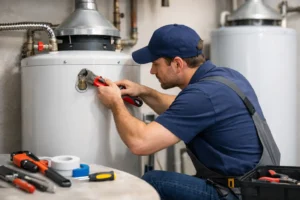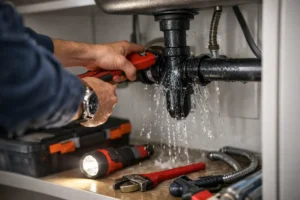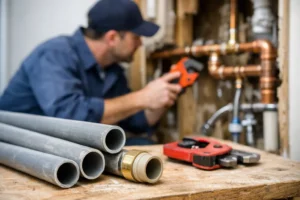
If your water smells like chlorine, leaves spots on dishes, stains fixtures, or just does not taste right, the issue may not be your plumbing alone. Water filtration can make a noticeable difference in day-to-day life, but the right setup depends on what is actually in your water and how your property uses it.
That is where many homeowners and property managers get stuck. One system promises better drinking water. Another claims to protect appliances. A third is designed for well water, but may do little for city water with heavy chlorine. Good results come from matching the equipment to the problem, not from buying the most expensive unit on the market.
Why water filtration matters more than people think
Most people start looking at filtration because of taste or odor. That makes sense. Water is something you use every day for drinking, cooking, bathing, laundry, and cleaning. When it smells off or leaves residue behind, you notice quickly.
But there is a bigger picture. Certain water issues can shorten the life of fixtures, dishwashers, washing machines, water heaters, and other plumbing-connected equipment. Hard water buildup can reduce efficiency. Sediment can wear down valves and clog components. Iron and manganese can stain tubs, sinks, and toilets. If you are on a well, bacteria, tannins, sulfur, or sediment may also need attention depending on the property and local conditions.
For commercial properties, water quality affects operations as well as comfort. Restaurants, offices, retail spaces, and rental properties all benefit from cleaner, more consistent water. Better water can mean fewer complaints, less scale buildup, and more predictable equipment performance.
Not all water filtration systems solve the same problem
This is the part that matters most. Water filtration is not one product. It is a category that includes several system types, each built to handle different contaminants or water quality issues.
A carbon filter is often a good fit for chlorine, taste, and odor. That can work well for municipal water where the main complaint is unpleasant smell or flavor. A sediment filter is different. It is meant to catch particles like sand, silt, and debris before they move through the rest of the plumbing system. That is especially common in homes with well water or aging infrastructure.
If hard water is the issue, a softener may be part of the solution, even though people often group it under filtration. Softening addresses calcium and magnesium that cause scale buildup. Reverse osmosis systems are another option, usually used at a kitchen sink for drinking water. These can remove a wider range of dissolved solids, but they are not always necessary for the whole house.
For rural and well-supplied properties, treatment can get more specialized. Some homes need iron removal. Others need UV disinfection for bacteria control. In those cases, the correct design depends on water test results, household demand, and how the system is maintained over time.
How to tell what your property actually needs
The first clue is usually a visible or noticeable symptom. Maybe the water has a rotten egg smell. Maybe laundry comes out dull. Maybe there is orange staining in sinks and toilets. Maybe scale is building up around faucets and showerheads. Those signs point in a direction, but they are not enough to choose equipment confidently.
Water testing matters because two homes can have similar symptoms with different causes. For example, bad taste could come from chlorine, iron, sulfur, or old plumbing materials. Cloudy water might be trapped air, sediment, or hardness. Treating the wrong problem wastes money and leaves you frustrated with a system that never really fixed anything.
That is why a practical filtration plan starts with identifying the source of the water and the actual issue. Municipal and well water call for different approaches. Older homes may also have plumbing conditions that affect performance. A licensed plumbing professional can help determine whether the answer is a point-of-use filter, a whole-home system, or a broader water treatment setup.
Whole-home vs. under-sink water filtration
A lot of customers ask whether they need a full-house system or something smaller at one fixture. The answer depends on what you want to improve.
If the goal is better drinking and cooking water, an under-sink system may be enough. This is often the most cost-effective route when the concern is taste, odor, or an added layer of drinking water treatment. It targets the tap you use most without changing the rest of the house.
If the problem affects showers, laundry, fixtures, appliances, or plumbing components, a whole-home system makes more sense. That is especially true for sediment, iron, hardness, or sulfur issues that move through every pipe in the building. A whole-home setup can help protect the plumbing system itself, not just the water at one faucet.
For some properties, a combination works best. A whole-home filter or softener can address general water quality, while reverse osmosis at the kitchen sink improves drinking water even further. It depends on budget, water conditions, and what level of treatment you actually need.
Water filtration for well water needs a different approach
In many rural and semi-rural areas, well water is a fact of life. It can be a great water source, but it also brings different maintenance responsibilities. Unlike municipal water, there is no city treatment plant between the source and your home. That means the property owner has to pay closer attention to water quality, system condition, and ongoing servicing.
With well water, a basic cartridge filter may not be enough. Some homes need sediment control because of sand or silt. Others need treatment for iron, manganese, sulfur, tannins, or bacteria. In some cases, one problem masks another. For example, fixing odor may still leave staining, or removing sediment may not improve hardness.
That is why well water filtration should be approached as a system, not a single product. Pressure tanks, pumps, filters, UV units, softeners, and treatment equipment all need to work together properly. If one part is undersized, poorly installed, or overdue for service, the entire setup can underperform.
Installation quality matters as much as the equipment
Even a good filtration unit can cause headaches if it is installed poorly. Wrong sizing, bad placement, poor drainage planning, missing shutoffs, or incorrect bypass setup can lead to low pressure, leaks, or difficult maintenance later.
A professional installation should account for your plumbing layout, water demand, available space, and future service access. That sounds basic, but it makes a big difference. Filters need replacement. Softeners need adjustment. UV systems need maintenance. If the equipment is crammed into a corner with no room to work, every service visit becomes harder than it should be.
For homeowners, the bigger issue is peace of mind. You want to know the system is code-compliant, clearly explained, and installed in a way that will hold up. That is particularly important if you are protecting a family home, a rental property, or a commercial space where downtime creates real disruption.
Maintenance is part of owning a water filtration system
This is where expectations need to be realistic. No filtration system is fully set-and-forget. Cartridges need changing. Salt needs replenishing in softeners. UV bulbs need replacement. Some systems need periodic sanitizing or inspection.
That does not mean filtration is high maintenance, but it does mean service matters. A neglected system can lose effectiveness, restrict flow, or create a false sense of security. If you invest in water treatment, make sure you also understand the upkeep schedule and service costs.
This is one reason many property owners prefer working with a local plumbing company that can handle installation and future maintenance. If water conditions change, equipment needs upgrading, or another plumbing issue affects performance, you already have someone who knows the system and can respond quickly.
When it makes sense to call a professional
If your water quality issue is obvious and isolated, like replacing a simple refrigerator filter, a DIY fix may be enough. But if the problem affects the whole property, keeps returning, or involves well water, professional guidance usually saves time and money.
That is especially true when symptoms overlap. Staining, pressure issues, odor, scaling, and appliance wear can all point to different root causes. A clear recommendation should be based on the property, not on a one-size-fits-all sales pitch. Companies like Poly B Plumbing approach water filtration as part of the full plumbing system, which is often the right way to look at it.
Clean, reliable water should not feel like guesswork. If something seems off, trust that instinct and get it checked before a small water quality issue turns into bigger wear on your fixtures, appliances, and plumbing system.