A pipe can burst behind a finished wall long before you see the first wet spot. A sewer backup can close a restaurant before the lunch rush. When water is spreading, drains are overflowing, or heat is off during freezing weather, emergency plumbing repairs are about protecting your property first and fixing the source second.
The right response can limit damage to flooring, drywall, inventory, electrical systems, and belongings. The wrong response, including waiting until morning or attempting a risky repair, can turn a manageable service call into a major restoration project.
What Counts as a Plumbing Emergency?
Not every dripping faucet requires an after-hours visit. A slow drip under a sink can often be contained with a bucket and scheduled for prompt repair during regular hours. A plumbing emergency is different: it involves active water damage, a health concern, loss of essential service, or a situation that can worsen quickly.
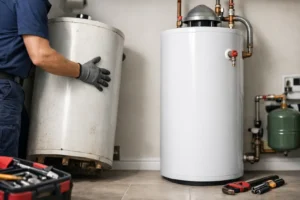
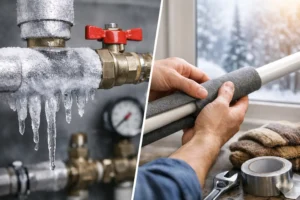
Call for immediate help when a pipe has burst, a major leak cannot be stopped, a drain or toilet is backing up sewage, or a water heater is leaking heavily. Frozen pipes also need fast attention, especially when there is no water flow or visible frost on exposed piping. A frozen line may not be leaking yet, but pressure can build behind the ice and split the pipe as temperatures change.
For homes with sump pumps, a failed pump during heavy rain or snowmelt deserves urgent attention. The same is true for a well pump failure when it leaves a household without water, particularly for families, tenants, or properties with livestock. Commercial properties should treat restroom backups, leaking supply lines, and water shutoffs that affect operations as priority issues.
It depends on the risk, not just the inconvenience. A single clogged sink may wait. Multiple fixtures backing up at once may point to a main sewer line issue that should not.
Emergency Plumbing Repairs: What to Do Before Help Arrives
Your first goal is to stop or contain the water safely. Stay calm, move with purpose, and avoid taking apart pipes or fixtures if you are not sure what you are doing.
Shut off the water source
If the leak is coming from a toilet, sink, dishwasher, washing machine, or water heater, look for the local shutoff valve nearby. Turn it clockwise until it stops. This can isolate the affected fixture while keeping water available elsewhere in the building.
If you cannot find the fixture valve, it does not work, or water is coming from a hidden or broken pipe, shut off the main water supply. Homeowners should know where this valve is before an emergency happens. It is commonly found near the water meter, where the service line enters the home, or in a utility area.
For a commercial building, make sure managers and key employees know the location of the primary shutoff and who has access to mechanical rooms. A few minutes spent locating the valve can make a significant difference when a line breaks.
Protect people before property
Do not stand in water near outlets, power strips, appliances, or an electrical panel. If water is close to electrical equipment, avoid the area and call for qualified help. Do not use electrical tools or attempt to vacuum standing water until you know the area is safe.
Sewage backups require extra caution. Keep children, pets, customers, and employees away from contaminated water. Do not use toilets, showers, sinks, dishwashers, or washing machines until the cause has been assessed. Using another fixture can add more water to an already blocked drain line.
If you smell gas near a water heater or notice a suspected gas leak, leave the area and contact the appropriate emergency utility service. Plumbing work and gas safety are connected, but a possible gas leak should never be treated as a standard repair call.
Reduce the spread of damage
Once the water is off and the area is safe, move furniture, boxes, rugs, electronics, and important documents away from the affected space. Use towels, buckets, or pans to catch dripping water. If a ceiling is bulging with water, stay clear of it. A saturated ceiling can collapse without warning.
Take a few photos of the leak, damaged materials, and the source if it is visible. Documentation can be useful for property managers and insurance claims. Then leave the repair itself to a licensed plumbing professional. Temporary tape, sealants, and improvised clamps may slow a small leak, but they rarely solve the underlying issue and can make an accurate diagnosis harder.
When a Drain Problem Cannot Wait
Drain emergencies often look smaller than pipe leaks at first. Water may rise in a toilet, shower, or floor drain, then slowly recede. That does not always mean the issue is gone. It can mean the blockage has shifted farther down the line.
A single clogged fixture is usually localized. If flushing a toilet causes water to appear in a tub, shower, or floor drain, the problem may involve a shared branch line or the main sewer line. Stop using water throughout the affected area and arrange service right away.
Avoid chemical drain cleaners during a serious backup. They can damage older piping, create hazardous splashes, and leave corrosive chemicals in the line for the technician who must clear it. Professional drain cleaning equipment is selected based on the pipe material, blockage location, and condition of the system.
What a Reliable Emergency Plumber Should Provide
During a stressful call, clear communication matters as much as technical skill. You should know who is coming, what they are there to assess, and what the next steps will be. A professional should inspect the immediate failure, identify whether there is a larger system issue, explain the repair options in plain language, and provide pricing before work begins whenever conditions allow.
Fast service does not mean rushed work. A burst pipe may need more than a patch if corrosion, freezing, poor pipe support, or aging Poly B piping contributed to the failure. A sewer backup may require more than clearing a blockage if roots, a collapsed section, or a damaged connection is involved. The best repair addresses the urgent problem while giving you a practical view of what could happen next.
Ask whether the repair is intended as a temporary stabilization or a permanent solution. Both can have a place. A temporary repair may be appropriate when access is limited, replacement parts are needed, or the goal is to restore water safely until a larger job can be scheduled. What matters is that the difference is explained clearly.
Emergency Plumbing for Businesses and Rental Properties
For business owners, downtime has a cost beyond the repair invoice. A backed-up restroom, no hot water, or a leaking kitchen line can affect staff, customers, health requirements, and daily revenue. The priority is to isolate the problem, protect the public, and restore essential service with as little disruption as possible.
Landlords and property managers face a similar challenge. Tenants need prompt communication and a safe place to live or work, while owners need documentation and a repair plan that protects the building. Keeping unit shutoff locations, building access details, and emergency contact information organized can speed up the response when every minute matters.
Rural properties may have added considerations, including well pumps, pressure tanks, water treatment equipment, septic systems, and lines exposed to severe cold. These systems need a technician who can assess the full water supply and drainage picture rather than treating each symptom separately.
Lower the Odds of the Next Emergency
Many plumbing emergencies start with warning signs that are easy to postpone: occasional drain slowdowns, a cycling sump pump, rusty water around a water heater connection, reduced water pressure, or pipes that freeze in the same area each winter. Addressing those issues early is usually less disruptive and less expensive than waiting for a failure.
A yearly plumbing inspection is especially worthwhile for older homes, rental properties, commercial washrooms, and homes with Poly B piping. It gives you an opportunity to check visible supply lines, shutoff valves, water heaters, sump equipment, backwater protection, and areas vulnerable to freezing. Maintenance cannot prevent every emergency, but it can expose risks before they become urgent.
Keep the main water shutoff accessible, label it clearly, and make sure everyone responsible for the property knows how to use it. That simple preparation gives you more control on the day you need it most.
When water is where it should not be, act quickly, protect the space, and get qualified help. The fastest way to get through a plumbing emergency is not to guess at the repair – it is to stop the damage and make informed decisions from there.