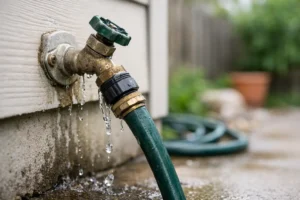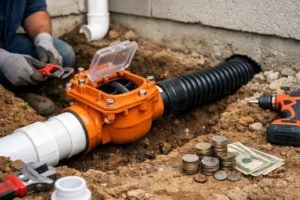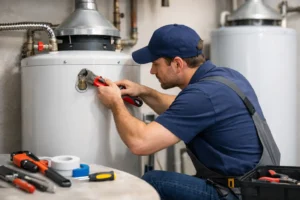
A small damp spot below a sink can be the first warning. With Poly B plumbing, a pipe may look fine from the outside while its interior has weakened over years of water pressure, heat, and normal household use. This poly b pipe replacement guide helps homeowners make a clear plan before a minor concern becomes a ceiling leak, damaged flooring, or emergency repair.
Polybutylene pipe, commonly called Poly B, was installed in many homes from the late 1970s through the 1990s. It is usually gray, although some installations include blue or black sections, and it may be found near water heaters, under sinks, in utility rooms, crawl spaces, and behind finished walls. Not every Poly B system fails at the same rate, but the material has a well-known history of becoming brittle and cracking, especially at fittings and connection points.
When Poly B Pipe Replacement Should Move Up Your List
A visible leak is an obvious reason to call a licensed plumber, but it is not the only one. Poly B pipe can deteriorate internally before there is a dramatic failure. Chlorinated municipal water, high water pressure, frequent temperature changes, and aging fittings can all add stress to the system.
Pay attention to recurring signs: unexplained drops in water pressure, discoloration around ceilings or baseboards, a musty smell in a cabinet, water stains near pipe routes, or a water bill that rises without a change in use. A leak that appears only when a fixture is running can be just as concerning as one that drips constantly.
If your home still has its original Poly B plumbing, replacement is often a proactive decision rather than a reaction to a burst pipe. That matters most in homes with finished basements, renovated kitchens, hardwood floors, or occupied rental units where water damage can quickly cost more than the plumbing work itself.
Start With a Professional Inspection
The first step is confirming what material is installed and understanding how much of it remains. Some properties have partial upgrades, where accessible lines near the water heater or bathrooms were replaced but Poly B still runs through walls, ceilings, or crawl spaces. Replacing only one visible section can stop a current leak without addressing the larger risk.
A proper inspection maps the accessible supply lines, identifies fittings, checks for prior repairs, and reviews the condition of shutoff valves and nearby plumbing components. Your plumber should also look at water pressure. Excess pressure can shorten the life of any plumbing system, including new replacement pipe, so correcting it is part of protecting the investment.
For a condo, townhouse, commercial unit, or multi-unit rental property, responsibility can be more complicated. Some piping may serve only the unit, while other lines are part of a shared building system. Confirm ownership and approval requirements before work begins. A licensed plumber can help identify the scope, but property management or a condominium board may need to authorize certain repairs.
Choosing the Right Replacement Material
Most Poly B replacement projects use PEX or copper. Both are established materials, but the right option depends on the home, local code requirements, access, budget, and the condition of the existing plumbing system.
PEX is flexible, efficient to install, and often requires fewer connections inside walls. That flexibility can reduce the amount of drywall opening needed in certain homes. It also performs well in cold climates when installed correctly, though no water line is immune to freezing if it is exposed to severe temperatures.
Copper is durable and familiar to many homeowners. It may be a good fit for specific exposed areas or when matching an existing copper system makes sense. However, copper installation can take more time, and costs may be higher depending on the project. Water chemistry, accessibility, and the number of fixtures all affect the decision.
The key is not choosing a material based on a single rule. Ask your plumber why they recommend one system for your property, where connections will be made, and how the work will meet current plumbing code. A clear explanation is a good sign that the quote reflects the actual scope rather than a quick patch.
What a Full Poly B Replacement Usually Involves
A whole-home replacement does not always mean tearing apart every wall. Experienced plumbers plan routes through utility areas, unfinished basements, closets, soffits, and ceiling spaces whenever possible. Some drywall access is often necessary, particularly for upstairs bathrooms, kitchens, laundry rooms, and exterior-wall fixtures. The goal is to make only the openings needed for safe, code-compliant installation and testing.
Before work starts, the water supply is shut off and the existing system is drained. New lines are run to fixtures and appliances, with accessible shutoffs replaced or added where appropriate. The system is then pressure-tested, connections are checked, and water is restored in stages.
A replacement project can also be a practical time to address aging fixture valves, a failing water heater connection, poor water pressure, or missing shutoffs. These items should be explained separately, with transparent pricing, so you can decide what belongs in the current project and what can wait.
Drywall repair and painting are often separate from plumbing work unless they are specifically included in the estimate. Ask who is responsible for patching access openings, whether flooring protection is provided, and how the work area will be cleaned at the end of each day. For families, tenants, and operating businesses, those details affect how disruptive the job feels.
How to Compare Replacement Estimates
The lowest number is not always the lowest-cost solution. An estimate that does not identify pipe material, access points, permits, testing, fixture reconnections, or wall repair responsibilities can leave room for surprises after the work begins.
A useful quote should explain whether the scope is partial or full replacement, which areas are included, what materials will be used, and any conditions that could change the price. For example, hidden water damage, inaccessible pipe routes, or unapproved alterations from prior renovations may not be visible until access is opened. That is normal, but the contractor should explain how change work is handled before the project starts.
For landlords and commercial property owners, downtime is another cost. Ask whether work can be staged by unit, floor, bathroom group, or operating hours. A restaurant, office, or rental property may need a plan that keeps essential fixtures available as long as possible.
When you choose a plumbing contractor, verify licensing, insurance, local experience, and whether they provide written pricing and communication before arrival. Poly B Plumbing serves homeowners and property owners with clear estimates, licensed workmanship, and a practical plan for replacement work across surrounding Ontario communities.
Reducing the Risk While You Plan
If replacement cannot happen immediately, take sensible precautions. Know where the main water shutoff is and make sure adults in the home can operate it. Do not ignore small leaks or repeatedly tighten a failing fitting. Temporary repairs may buy time, but they do not restore an aging Poly B system.
Watch water pressure, especially if you hear banging pipes, notice sudden changes at faucets, or have recently installed a pressure-boosting system. Keep utility rooms and cabinet areas accessible so developing leaks are easier to spot. If the home will be vacant during cold weather, maintain safe indoor heat and consider shutting off the water supply when appropriate.
Homeowners should also review insurance coverage and keep inspection reports, invoices, and photos of completed work. Documentation can be useful for future buyers, lenders, insurers, and property records. It also gives you a clearer picture of which parts of the plumbing system have been updated.
A Replacement Plan Protects More Than Pipes
Poly B replacement is disruptive enough that it deserves careful planning, but waiting for a major failure is rarely the easier path. A professional assessment gives you the facts: where the pipe is located, how urgent the risk appears, what replacement method fits the property, and what the work will cost before crews arrive.
If you have identified Poly B piping or suspect it is still present behind your walls, schedule an inspection while you have time to make decisions calmly. A well-planned replacement can protect your home, your schedule, and the spaces you have worked hard to maintain.