A sewer backup rarely starts as a dramatic emergency. More often, it begins with a floor drain that empties slowly, a toilet that gurgles after the washer drains, or an unpleasant odor near a lower-level bathroom. Knowing how to prevent sewer backup means paying attention to those small changes before wastewater has a chance to enter your home or business.
For homeowners, landlords, and property managers, prevention is usually far less disruptive than cleanup. It also protects finished basements, inventory, flooring, electrical equipment, and the parts of a property that are hardest to replace. A few smart habits, combined with timely professional maintenance, can greatly reduce the risk.
Understand What Causes a Sewer Backup
A backup occurs when wastewater cannot move through the plumbing system or sewer line as intended. The blockage may be inside a building drain, farther down the private sewer lateral, or in the municipal sewer system. The source matters because the right fix is different in each situation.
Inside the property, grease buildup, wipes, paper products, food scraps, soap residue, and foreign objects can narrow a drain over time. Tree roots can enter older sewer lines through joints or cracks, especially where mature trees sit near the route of the pipe. Shifting soil, aging pipe materials, and damaged connections can create low spots that collect debris and eventually restrict flow.
Heavy rain introduces another risk. When municipal systems are overwhelmed, wastewater can push back toward low-lying properties. Homes with basement fixtures or floor drains are especially vulnerable. Rural properties also need to consider the condition and capacity of their septic system, since an overloaded or poorly maintained system can produce similar warning signs.
Keep the Wrong Materials Out of Drains
The simplest preventive step is controlling what enters sinks, toilets, and floor drains. Toilets are designed for human waste and toilet paper. Products labeled as flushable may still catch on rough pipe interiors, roots, or existing buildup. They belong in the trash, not the toilet.
Kitchen drains need the same discipline. Cooking grease may look harmless when warm, but it cools and sticks to the inside of pipes. Over time, it captures food particles and creates a stubborn restriction. Let grease cool in a container, then dispose of it with household waste. Use a sink strainer to catch food scraps, and empty it regularly.
Avoid treating a drain as a disposal point for coffee grounds, fibrous vegetables, rice, pasta, eggshells, heavy soap residue, or personal-care products. One item may not create a blockage, but repeated use adds up. In rental and commercial properties, clear instructions for tenants and staff can prevent a costly service call.
Protect Floor Drains and Lower-Level Fixtures
Floor drains are often ignored until water appears around them. Keep them visible and accessible. Do not cover them with storage bins, rugs, or finished flooring that makes it difficult to spot a problem. If a floor drain has a trap primer, it helps maintain water in the trap and reduce odors. If it does not, occasionally adding water can help keep the trap from drying out.
Pay close attention to the lowest plumbing fixtures in the building. A basement shower, toilet, laundry sink, or floor drain will often show the first signs of a developing sewer issue. If water rises in one of these fixtures when another appliance drains, stop using water where possible and arrange an inspection. Continuing to run the dishwasher, washing machine, or multiple showers can turn a minor restriction into a backup.
A properly installed backwater valve can provide added protection where municipal surcharge is a concern. This device is designed to prevent wastewater from flowing back into the building. It is not a replacement for a healthy sewer line, and it must remain accessible for inspection and cleaning. A licensed plumber can assess whether a backwater valve is appropriate for your property and local plumbing requirements.
Schedule Sewer Line Inspections Before Trouble Starts
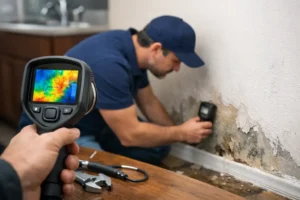
A sewer camera inspection is one of the most useful ways to identify a problem without guesswork. A technician sends a camera through the line to look for roots, buildup, cracks, offsets, standing water, or collapsed sections. This is particularly valuable for older homes, properties with large trees, homes with recurring drain issues, and buildings being purchased or renovated.
There is no single schedule that fits every property. A newer home with good drainage habits may only need an inspection when symptoms appear. An older home with a history of roots or past backups may benefit from regular preventive cleaning and inspection. The goal is not to perform work that is unnecessary. It is to understand the condition of the line and deal with developing issues while the options are simpler and less expensive.
For commercial kitchens, restaurants, and other high-use properties, scheduled drain maintenance is often essential. Grease and daily volume can build up quickly, and a blocked line can interrupt operations with little warning. Planned service is easier to manage than closing a workday because a drain has failed.
Maintain the Systems That Move Water Away From Your Property
Not every water issue is a sewer backup, but poor drainage around a building can add pressure during storms and make a lower level more vulnerable. Keep gutters, downspouts, and exterior drainage paths clear so water moves away from the foundation. Downspout extensions should direct water well away from the home, not beside the basement wall.
If your property has a sump pump, test it before periods of heavy rain. Make sure the discharge line is clear and sends water away from the foundation without creating an icy walkway or draining back toward the house. A battery backup can provide extra protection during a power outage, but it should be tested and maintained like the main pump.
Septic systems require their own maintenance plan. Avoid overloading the system with unusually high water use, repair leaks promptly, and have the tank serviced at intervals recommended for your household size and system design. If drains slow throughout the house, sewage odors appear outdoors, or the area near the system becomes wet or unusually green, call for professional assessment rather than trying chemical drain cleaners.
Know the Early Warning Signs
Many backups can be avoided when the first signs are addressed promptly. Watch for:
- Multiple drains slowing down at the same time
- Gurgling sounds from toilets or drains
- Water rising in a shower, tub, or floor drain when another fixture is used
- Sewage odors in the basement, yard, or near drains
- Recurring clogs that return after plunging or basic drain cleaning
A single slow sink may be a local clog. Several fixtures acting up together usually points to a larger drainage issue. That distinction can save time and help avoid using the wrong fix.
What to Do When You Suspect a Backup
If wastewater is rising from a drain or toilet, stop using water immediately. Do not flush toilets, start the washing machine, run the dishwasher, or take a shower. Keep people and pets away from contaminated water, especially in finished living areas.
If it is safe to do so, move stored items away from the affected area without stepping into wastewater. Do not use a standard household vacuum to remove contaminated water, and avoid using harsh chemical drain products. Those products can damage pipes, create a hazard for anyone servicing the line, and rarely solve a main sewer obstruction.
Call a licensed plumbing professional for an assessment. A camera inspection and proper drain-clearing equipment can identify whether the issue is a blockage, roots, pipe damage, or a problem beyond the property line. Poly-B Plumbing provides straightforward sewer and drain support for property owners in North Bay, Sturgeon Falls, Bonfield, and Powassan, with clear communication about the work needed before repairs begin.
A clean, well-maintained sewer line is easy to forget about, which is exactly the point. Give your drains a little attention, act on early warning signs, and arrange an inspection when your property has a history of trouble. That small amount of planning can help keep a stressful, damaging mess outside where it belongs.