A shower that surges from strong to weak, a pump that starts every few minutes, or a faucet that spits air can turn an ordinary morning into a warning sign. For homes on private wells, pressure tank replacement North Bay property owners need is often about more than restoring water pressure. It can protect the well pump, reduce unnecessary cycling, and help prevent a small equipment issue from becoming a no-water emergency.
A pressure tank is one part of a working well system, but it does an essential job. It stores a reserve of pressurized water so the pump does not need to run every time someone rinses a dish, flushes a toilet, or fills a glass. When the tank loses its air charge, develops an internal failure, or begins leaking, the whole system can become harder on the pump and less reliable for the household.
What a Pressure Tank Does for Your Well System
Most residential well systems use a bladder-style pressure tank. Inside the tank, a rubber bladder separates water from compressed air. As the well pump fills the tank with water, the air compresses and creates pressure. When you open a fixture, that stored pressure pushes water through the plumbing until the pressure drops to the setting that tells the pump to start again.
This cycle should be controlled and predictable. The tank gives your pump time to rest between cycles, which matters because frequent starts are hard on pump components. A properly sized, properly adjusted tank also helps provide steadier pressure throughout the home.
The tank does not create water pressure on its own, and it cannot solve every low-pressure complaint. A clogged filter, failing pump, leaking pipe, restricted fixture, or electrical control issue can produce similar symptoms. That is why an on-site assessment matters before deciding a tank needs replacement.
Signs You May Need Pressure Tank Replacement in North Bay
The clearest warning sign is rapid cycling. If you hear the well pump switch on and off repeatedly while a small amount of water is running, the tank may no longer be holding the correct air and water balance. This is sometimes called short cycling, and it should not be ignored. It can increase wear on the pump and controls.
Unsteady water pressure is another common sign. Water may run normally for a moment, then fade, pulse, or recover without anyone changing the faucet setting. In some cases, pressure drops sharply after a toilet flushes or another fixture starts using water.
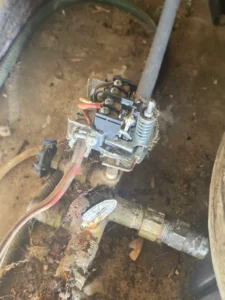
A visible leak or corrosion around the tank deserves prompt attention. Water near the tank base, rusted seams, damp fittings, or staining on the floor may indicate a tank or connection problem. A leaking connection can sometimes be repaired, while a corroded tank body generally points toward replacement.
Other signs are less obvious. You may notice the pressure gauge moving quickly between its cut-in and cut-out settings, unusual clicking from the pressure switch, air sputtering from fixtures, or a sudden increase in pump run time. If your water has sediment or iron, related issues may also affect filters, valves, and other parts of the system.
A tank that feels unusually heavy when checked by a qualified technician may be waterlogged. With a bladder tank, this can happen when the internal bladder fails and water fills the space intended for air. Adding air may offer only temporary improvement or no improvement at all, depending on the cause.
Why Waiting Can Cost More
A failing pressure tank can still deliver water for a while, which makes it easy to put off service. The concern is the effect on the pump. A well pump is designed to operate in cycles, not to start repeatedly every few seconds or minutes. Short cycling can shorten its service life and put strain on electrical controls.
For rural homes outside North Bay, a pump replacement can be a much larger project than replacing an accessible pressure tank. Preventive service does not eliminate every equipment failure, but addressing tank problems early can reduce avoidable stress on the system.
There is also the day-to-day inconvenience. Inconsistent water pressure affects showers, laundry, dishwashing, and business operations. For landlords and commercial property owners, it can lead to tenant complaints, disruptions, and rushed repairs at the least convenient time.
What Happens During a Pressure Tank Replacement
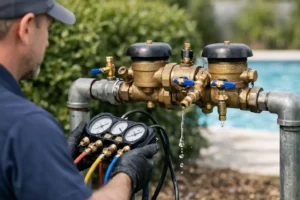
A licensed plumbing professional begins by checking the symptoms and the well system setup. This includes reviewing pressure readings, pump cycling behavior, tank condition, plumbing connections, and the pressure switch settings. The goal is to confirm whether the tank is the source of the problem rather than replacing a part that is still working.
Once replacement is recommended, the water supply is safely shut down and pressure is relieved from the system. The existing tank is disconnected, and the surrounding connections are inspected for corrosion, leaks, or outdated fittings. A new tank is selected based on the system requirements, available space, and the household or property’s water demand.
Size matters, but bigger is not always automatically better. Tank sizing should work with the pump output and the way the property uses water. A home with several bathrooms, frequent laundry use, or a larger family may benefit from a different setup than a smaller seasonal property. The wrong size can contribute to inefficient cycling or unnecessary cost.
After installation, the tank’s air pre-charge must be set correctly for the pressure switch range. The system is then restarted, checked for leaks, and tested through a full pressure cycle. A proper replacement should leave you with clear answers about what was found, what was installed, and what to watch for afterward.
Repair or Replacement: How to Decide
Not every pressure issue calls for a new tank. A loose fitting, inaccurate gauge, faulty pressure switch, or incorrect air charge may be repairable. If the tank itself is sound and the internal bladder is intact, adjustment or repair may be the practical choice.
Replacement is usually the better long-term decision when the tank is leaking, severely corroded, waterlogged from bladder failure, or repeatedly losing pressure despite service. Age also matters. Tanks do not have a fixed expiration date, because water quality, installation conditions, and usage vary, but an older tank with recurring problems often becomes less economical to keep repairing.
Clear flat-rate pricing helps make that decision easier. Before work begins, you should understand the recommended scope, the equipment involved, and whether any related repairs are needed. A straightforward explanation is especially valuable when a well system has several components that work together.
Protecting Your New Pressure Tank
Once a new tank is installed, a few simple habits can help catch issues early. Pay attention to changes in pump cycling and water pressure rather than waiting for a full failure. If your home has water treatment equipment, keep up with its required maintenance, since sediment and mineral buildup can affect the broader plumbing system.
It also helps to keep the tank area accessible and dry. Avoid storing items tightly around the equipment, where small leaks or damaged fittings can go unnoticed. If your property is vacant during cold weather, make sure the plumbing and well system are protected from freezing conditions.
Annual well-system maintenance gives a technician the chance to check pressure settings, inspect fittings, and identify early warning signs. This is particularly useful for older homes, rental properties, and households that rely heavily on their well every day.
Poly-B Plumbing provides licensed support for well-system concerns throughout North Bay and nearby communities, with clear communication before work begins. If your pump is cycling too often or your water pressure no longer feels dependable, have the system assessed before the issue puts more strain on the equipment you rely on every day.