A glass of water can look perfectly clear and still leave mineral scale on fixtures, carry an unpleasant odor, or taste different from one tap to the next. The right water filtration North Bay solution starts by identifying what is actually in your water, not by choosing the biggest system or the most expensive filter.
For homeowners on municipal water, rural properties with private wells, landlords, and local businesses, water quality concerns can have different causes. A properly selected system can improve taste, protect plumbing fixtures, reduce staining, and provide greater confidence in the water coming into your property. The key is matching the treatment to the problem.
When Water Filtration North Bay Homes Need Makes Sense
Water treatment is not one-size-fits-all. A basic under-sink drinking water filter may be enough for a homeowner who only wants better-tasting water at the kitchen tap. A rural home with a well may need a more complete approach that addresses sediment, hardness, iron, manganese, or bacteria concerns before water reaches appliances and fixtures.
Start paying attention if you notice recurring scale around faucets, white buildup in kettles, orange or brown staining in sinks and toilets, a sulfur-like odor, cloudy water, or water that tastes metallic or chlorinated. These signs do not provide a diagnosis by themselves, but they are useful reasons to test the water and have a licensed plumbing professional review the results.
A filtration system can also be a practical investment when you are replacing a water heater, renovating a kitchen or bathroom, or moving into an older home. Mineral-heavy water can shorten the service life of fixtures and appliances, while sediment can affect valves, cartridges, and plumbing components over time.
Test First, Then Choose the Treatment
The most useful water filtration recommendation begins with a water test. Without one, it is easy to install equipment that does not solve the problem or adds unnecessary maintenance.
Municipal water and well water have different considerations. Municipal water may have a noticeable disinfectant taste or odor, while well water quality can vary based on local conditions, the well itself, seasonal changes, and nearby surface water. A well that has worked reliably for years can still benefit from periodic testing, especially after flooding, plumbing changes, a change in taste or appearance, or a long period of vacancy.
Testing helps identify the treatment goal. That might be reducing sediment, addressing hardness, improving taste and odor, managing staining minerals, or adding disinfection where appropriate. It also helps determine whether the issue is throughout the home or limited to a single fixture, such as an aging faucet or a deteriorating supply line.
If there is a concern about water safety, use the right testing method and follow local public health guidance. A filter should never be treated as a substitute for proper testing, repairs, or well system service when there is a known contamination concern.
Common Water Treatment Options for Local Properties
The right equipment depends on the water results, household water use, plumbing layout, and maintenance expectations. These are common options, each with a specific job.
Sediment filtration
A sediment filter catches particles such as sand, silt, rust, and other debris before they move through the plumbing system. It is often especially useful for well systems and can protect other treatment equipment from premature wear. The trade-off is that cartridges need to be changed on schedule. Leaving a clogged filter in place can reduce water pressure.
Carbon filtration
Carbon filters are commonly used to improve taste and reduce certain odors. They can be installed at one drinking-water tap or at the point where water enters the home, depending on the goal. Carbon is a good fit for many taste and odor concerns, but it does not soften hard water or solve every water quality issue.
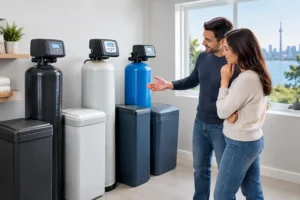
Water softeners and conditioners
Hard water can leave scale on shower doors, dishes, faucets, and heating equipment. A water softener is designed to address hardness minerals and can make a noticeable difference in cleaning and fixture buildup. It requires routine attention, including keeping the system supplied as needed and confirming that it is correctly sized for the household.
A conditioner may be discussed for certain applications, but it is not the same as a softener. The expected result, water chemistry, and manufacturer requirements should all be clear before choosing either option.
Iron, manganese, and odor treatment
Orange staining, dark staining, metallic tastes, or sulfur-like odors often require a treatment system based on the specific water chemistry. Depending on the test results, this may involve filtration media, oxidation, or a combination of equipment. Proper sizing matters. A system that is too small can struggle during busy periods, while an oversized system can create unnecessary cost and maintenance.
UV disinfection and reverse osmosis
Ultraviolet treatment may be recommended for certain well-water applications where microbial protection is needed. UV equipment requires clear water to work effectively, so sediment and other issues may need to be addressed first. The lamp and related components also need scheduled service.
Reverse osmosis is generally used for drinking water at a dedicated tap. It can reduce a broad range of dissolved materials, but it produces water more slowly than a whole-home system and requires filter and membrane maintenance. It is a targeted drinking-water solution, not a replacement for correcting a property-wide water issue.
Installation Should Protect Your Plumbing, Too
Good water treatment installation is about more than mounting a tank or filter. The system needs to be sized for the number of occupants, expected water use, available space, water pressure, and existing plumbing. It should include accessible shutoff valves, proper bypass arrangements, and a clear plan for future maintenance.
For rural homes, the filtration system must also work with the well pump, pressure tank, and any existing treatment equipment. Changes to one part of the system can affect another. A professional review can prevent problems such as pressure loss, poor flow during peak use, or treatment equipment that is difficult to service.
Poly-B Plumbing can assess the plumbing side of a water treatment installation, explain the work clearly, and provide straightforward pricing before the job begins. That matters when filtration is part of a larger project, such as a renovation, a well system repair, or replacement of aging pipes and fixtures.
Keep the System Working After Installation
Every treatment system has maintenance needs. Filter cartridges have a service life. Softeners need periodic attention. UV equipment needs scheduled lamp replacement. Media tanks, controls, valves, and drain connections should be checked as part of routine service.
Ignoring maintenance can reverse the benefits of the system. A neglected filter can restrict flow, and equipment that is not serviced correctly may stop treating the water as intended. Keep a simple record of installation dates, service intervals, and any changes in water taste, pressure, color, or odor.
If your water changes suddenly, do not assume the existing system is still the right answer. A new test and inspection can help determine whether the issue is the treatment equipment, the plumbing, the well system, or the water source itself.
Water Treatment for Rental and Commercial Properties
For landlords and commercial property owners, consistent water quality can reduce calls about staining, odor, low flow, and appliance performance. The right setup should account for higher water demand, tenant or customer use, and service access without causing unnecessary disruption to operations.
Clear maintenance planning is especially valuable in multi-unit and commercial settings. Someone should know which filters need replacement, when service is due, and who to call if flow or water quality changes.
Better water starts with clear answers. Test the water, review the plumbing, and choose treatment that fits the property and the people using it. That approach gives you a system you can maintain with confidence instead of another piece of equipment to worry about.