A sump pump can be working perfectly right up until the moment a storm takes out the power. That is why a sump pump battery backup review should focus on what happens during a real outage, not just the biggest number printed on the box. For homeowners with finished basements, stored belongings, or a history of spring runoff, the right backup system can prevent a stressful and expensive cleanup.
A battery backup is not a replacement for a properly sized primary sump pump. It is a second line of defense. The best setup starts with a reliable primary pump, a clear discharge path, a working check valve, and a backup system that is sized for the water your home actually sees.
What a Sump Pump Battery Backup Actually Does
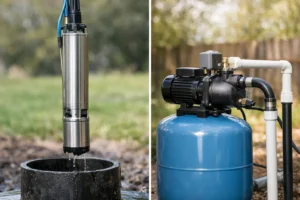
Most battery backup systems use a separate DC-powered pump installed beside or above the primary sump pump. When the power goes out, or when the primary pump cannot keep up, a float switch activates the backup pump and it begins moving water using stored battery power.
Some systems also provide protection when the main pump fails mechanically. That matters because flooding is not always caused by an outage. A stuck float, clogged intake, failed switch, or worn-out primary pump can leave the pit filling even while the rest of the home still has power.
The key limitation is runtime. A battery backup pump is designed to buy time during an outage. It may run for several hours or substantially longer depending on the battery capacity, the pump’s power draw, the amount of incoming water, and how high the pump must lift water before it reaches the discharge line. It is not a set-it-and-forget-it promise that every basement is protected indefinitely.
Sump Pump Battery Backup Review: What Matters Most
When comparing systems, start with pumping performance and usable battery capacity rather than price alone. A lower-cost unit may be suitable for a home with occasional, light water flow. A home with a frequently active sump pit needs a more capable system and a clearer plan for prolonged outages.
Pumping capacity under real conditions
Manufacturers often list a gallons-per-hour rating, but that rating changes with vertical lift. Moving water up 10 feet requires more work than moving it up 5 feet, and long discharge runs add resistance as well. Review the pump curve when available, or have a licensed plumber assess the lift and discharge arrangement before selecting a system.
The right question is not simply, “How many gallons can it pump?” Ask whether it can keep pace with the water entering your particular sump pit during heavy rain or snowmelt. If your primary pump runs frequently during storms, a small backup pump may not provide enough protection.
Battery type and capacity
Many backup systems are paired with deep-cycle lead-acid batteries. These can be a practical choice when correctly matched to the charger and maintained as required. They are generally heavier, take up more space, and may need periodic attention depending on the battery style.
Lithium battery systems are often lighter and can offer longer service life, but they usually cost more upfront. They must be used with equipment designed for that battery chemistry. Do not assume any battery will work with any charger or backup controller.
Battery capacity is commonly expressed in amp-hours, but that figure alone does not tell the full story. Runtime depends on how often the backup pump cycles, how long each cycle lasts, and the load placed on the system. A backup that runs briefly every few minutes will last much longer than one that runs nearly continuously.
Charger quality and monitoring
The charger and control unit are as important as the pump itself. A backup system is only useful if its battery is charged before the outage begins. Look for a system with automatic charging, clear status lights, and audible alarms for low battery, charging problems, pump activation, or a high-water condition.
For property owners who travel, a system with remote alerts can be worth considering. An alarm in the basement does little good if nobody is home to hear it. Some systems can send notifications through a connected monitoring setup, though that feature should be tested and maintained like every other part of the installation.
Switch design and backup activation
A dependable float switch is essential. The backup pump should activate at a water level above the primary pump’s normal operating range. If the settings are too close together, the backup may cycle unnecessarily. If they are too far apart, the water level may rise higher than intended before the backup takes over.
There are several switch styles, and each has advantages. The important point is that the switch has room to move freely inside the pit and cannot become tangled with the primary pump, power cords, or discharge piping. Crowded sump pits are a common source of preventable trouble.
Common Trade-Offs Homeowners Should Know
The most powerful backup pump is not automatically the best choice. Higher output can draw more power, which may reduce battery runtime. A system with moderate pumping capacity and a larger battery bank may protect one home better than a high-output unit with limited stored power.
There is also a difference between a backup pump and a water-powered backup system. Water-powered units can operate without batteries, but they depend on adequate municipal water pressure and can use a significant amount of water while running. They are generally not a fit for homes served by a well pump, since an electrical outage can affect the water supply needed to operate them.
A combination primary-and-backup package can simplify installation, while separate components may offer more flexibility when replacing or upgrading one part of an existing system. The best choice depends on the sump pit size, incoming water volume, available space, and the condition of the primary pump.
Installation Details That Affect Reliability
A battery backup system should be installed where it can be inspected, tested, and serviced. The battery should remain dry, secure, and protected from accidental damage. The control unit should be easy to see so a homeowner can recognize a warning light or alarm.
The discharge arrangement also deserves close attention. Both pumps need a proper route for moving water away from the foundation. A backup pump cannot prevent flooding if the discharge line is frozen, blocked, disconnected, or sending water back toward the house.
Check valves are another detail that matters. They help prevent pumped water from dropping back into the pit after each cycle. In a dual-pump arrangement, the piping must be configured so one pump does not interfere with the other. This is not an area where improvised fittings or a cramped installation pay off.
For homes in North Bay and nearby communities, winter conditions make discharge planning especially important. Outdoor lines need to be arranged to reduce the chance of freezing, and the outlet should direct water well away from the foundation without creating a slippery hazard near walkways.
Testing and Maintenance Are Part of the Purchase
A backup system needs regular checks. At least a few times each year, inspect the battery terminals, confirm the charger indicates normal operation, and make sure the alarm works. Test the backup pump according to the manufacturer’s instructions, using enough water to verify that the float activates and the pump discharges properly.
During your annual plumbing maintenance, inspect the primary pump too. Clean debris from the pit, look for signs of corrosion, verify that the discharge is open, and make sure the pump cycles off after lowering the water level. A backup system is strongest when the entire sump setup is maintained.
Replace batteries on the schedule recommended for the specific system, not only when an alarm sounds. Batteries can lose capacity over time even when they appear to be charging normally. Keeping a written installation date near the unit makes replacement planning easier.
Is a Battery Backup Worth It?
For a home where a sump pump runs only once in a while and a wet basement would cause limited damage, a battery backup may be a lower priority than correcting drainage problems or replacing an aging primary pump. But for finished basements, homes with frequent sump activity, rental properties, or areas prone to outages during storms, it is often a sensible layer of protection.
The right system is sized around your home’s water conditions, not chosen from a shelf based on price or a single runtime claim. A qualified inspection can identify whether the concern is pump capacity, battery backup, discharge routing, or all three. A little planning before storm season is far easier than dealing with water after it reaches the basement floor.