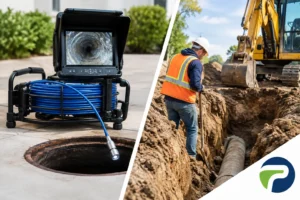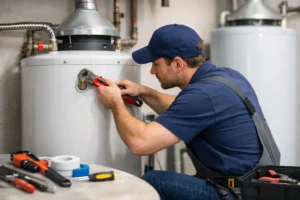
A frozen pipe rarely announces itself with a dramatic burst. More often, a homeowner turns on a kitchen faucet during a cold North Bay morning and gets a weak trickle – or nothing at all. This frozen pipe thawing case study follows the kind of service call where fast action can make the difference between a controlled repair and extensive water damage.
The details below reflect a representative residential winter call. Every property is different, especially older homes, cottages, rentals, and rural properties with plumbing near exterior walls, crawl spaces, or unheated areas. The process matters because thawing the visible section of pipe is only part of the job. The line must be checked carefully before normal water pressure is restored.
The Service Call: No Water at the Kitchen Sink
The homeowner noticed the issue after overnight temperatures dropped sharply. The kitchen faucet had worked normally the evening before, but the cold side produced no water the next morning. The bathroom fixtures on the other side of the home still had pressure, which helped narrow the likely location of the problem.
There was no visible water on the floor, no ceiling stain, and no sound of running water inside the walls. Those are good signs, but they do not rule out a split pipe. When water freezes, it expands and can crack a fitting or weaken a section of pipe. The damage may not show itself until the ice melts and pressure returns.
The homeowner shut off the water to the affected area where possible and called for service rather than trying to force the pipe open with an open flame or high heat. That decision reduced the risk of fire damage, damaged plumbing materials, and a sudden leak going unnoticed.
Finding the Freeze Before Applying Heat
A proper frozen pipe repair starts with locating the likely freeze point. In this case, the affected water line ran along an outside wall behind lower kitchen cabinets. The home had an older addition with limited insulation in that section, and a cold draft was entering near a utility penetration.
The technician first confirmed which fixtures were affected and checked accessible plumbing routes. The goal was to establish whether the problem was isolated to one branch line or involved the main water supply. A single fixture without water can point to a localized freeze. Multiple fixtures with low or no flow may indicate a larger issue that needs a different response.
Access also matters. If the frozen section is behind finished walls, the best approach depends on pipe material, the size of the affected area, and whether there are signs of leakage. Opening a small section of drywall may be the safest way to inspect and repair the line. Avoiding a small access opening can sometimes lead to a much larger restoration job later.
In this case, the likely freeze point was accessible through the cabinet base, so no wall removal was needed. The technician found a copper line exposed to cold air near the exterior wall. The pipe was frozen solid over a short section, but there was no immediate sign of a split.
Why the Faucet Was Opened First
Before controlled thawing began, the kitchen faucet was opened. This gives melting water somewhere to go and helps confirm when flow is returning. It also reduces pressure buildup as the ice begins to release.
Opening the faucet is a simple step, but it does not make a frozen pipe safe to thaw with just any method. Heat must be applied gradually and carefully. A torch, a flame, or an improvised high-heat source can damage surrounding materials and create a serious hazard. It can also heat one area too quickly while leaving ice trapped elsewhere in the line.
Controlled Thawing and a Careful Leak Check
The technician used professional, controlled warming methods to raise the pipe temperature gradually. The process started near the faucet side of the frozen section and worked back toward the blockage. This encourages meltwater to move out through the open fixture instead of becoming trapped.
As the ice released, the faucet began to sputter, then produced a steady stream. Restored flow was encouraging, but the job was not finished. The line was kept under observation as water pressure returned, and the fittings, joints, and nearby cabinet area were checked for moisture.
No active leak was found. However, the technician identified two conditions that made another freeze likely: cold air entering around the exterior penetration and inadequate protection around the exposed section of pipe. The immediate issue was resolved, but leaving those conditions unchanged would have made the next cold spell a repeat emergency.
The Repair That Helped Prevent Another Freeze
The homeowner chose to address the exposed line during the same visit. The plumbing was protected, and the draft area was sealed to reduce direct cold airflow around the pipe. The customer also received clear guidance on keeping the cabinet area warmer during severe weather and monitoring the faucet for reduced flow.
This is where frozen pipe work becomes more than an emergency thaw. A pipe freezes because heat is lost faster than the water line can tolerate. The cause may be a draft, insufficient insulation, a poorly heated crawl space, plumbing installed near an exterior wall, or a period of low water use during extreme cold.
For homes with a history of freezing, the long-term repair may involve rerouting a vulnerable pipe, improving access for future inspections, or replacing an aging section of plumbing. The right option depends on the building layout and the condition of the existing pipe. A quick thaw is appropriate when the line is intact and the cause can be corrected. A replacement may be the better value when failures keep returning.
What This Frozen Pipe Thawing Case Study Shows
The most valuable lesson from this frozen pipe thawing case study is that water flow returning does not prove the plumbing is undamaged. A pipe can split during the freeze and only begin leaking after the ice melts. That is why a licensed plumber checks accessible joints, pipe sections, cabinets, walls, and nearby ceilings before treating the service call as complete.
It also shows why timing matters. Calling when a faucet first loses pressure can prevent a larger problem. Waiting until temperatures rise may allow a hidden break to reveal itself under full pressure, often when no one is watching. For landlords and commercial property owners, that risk can extend to vacant units, storage areas, offices, and other spaces that are not checked every day.
If you suspect a frozen pipe, turn on the affected faucet, keep the area warm if it is safe to do so, and watch for water where it should not be. If you see a leak, shut off the water supply if you can do so safely and arrange professional help. Do not use open flames or attempt to thaw inaccessible pipes inside walls without the right equipment and experience.
When to Call for Frozen Pipe Help
A frozen pipe is worth a service call when water has stopped flowing, pressure has dropped unexpectedly, or you see frost, bulging, staining, or moisture around plumbing. The need is more urgent if you hear water running behind a wall, find a growing wet area, or discover a pipe has already burst.
For homeowners in North Bay, Sturgeon Falls, Bonfield, and Powassan, winter plumbing problems are part of protecting the property, not just restoring convenience. Poly-B Plumbing can assess the freeze, thaw the line safely, check for damage, and explain the repair options before work moves forward.
The best outcome is not simply hearing water run from the faucet again. It is knowing why the pipe froze, confirming that it held pressure, and taking one practical step now that makes the next cold night less stressful.