A sewer backup, slow drains across the house, or a wet patch in the yard can make excavation feel inevitable. Often, it is not the first step. Sewer camera inspection versus excavation is not simply a choice between a small service call and a large repair. One finds the problem with minimal disruption; the other provides access when repair or replacement truly requires it.
For homeowners, landlords, and commercial property owners, the right path starts with clear evidence. A licensed plumber should be able to explain what is happening inside the line, what the realistic repair options are, and what each option means for your property and budget.
What a Sewer Camera Inspection Can Tell You
A sewer camera inspection places a small waterproof camera into an accessible drain or sewer line. As the camera travels through the pipe, the technician sees a live view of the pipe interior and can identify the location and type of problem.
This is especially useful when the symptoms are real but the cause is unclear. A recurring clog may be caused by tree root intrusion, grease buildup, a shifted pipe joint, a low spot holding water, a cracked section, or an item lodged in the line. Those issues can create similar symptoms, but they do not call for the same repair.
The camera also helps establish where the problem sits. Is it near the house, under a driveway, beyond the building connection, or closer to the municipal connection? Knowing the approximate location matters before anyone discusses digging.
A camera inspection is usually the sensible first move when the line is still open enough for a camera to pass and there is a cleanout or other suitable access point. It is fast, targeted, and far less disruptive than opening a yard, floor, driveway, or landscaped area based on a guess.
When a Camera Inspection Is the Best Starting Point
Camera work is particularly valuable for repeat drain problems. If a drain was cleared but keeps backing up, the blockage may have been removed without addressing why it formed. Video can show whether roots are returning through a joint, whether the pipe has separated, or whether the pipe is holding waste because of a sag.
It is also a practical option before buying a property, starting a renovation, or planning work near an older sewer line. A hidden defect can become an expensive surprise after new flooring, concrete, or landscaping is in place.
For a restaurant, office, retail space, or rental property, the benefit is often reduced downtime. Identifying the likely issue without immediately disturbing a busy entrance, parking area, or tenant space can help management make a more informed plan.
Sewer Camera Inspection Versus Excavation: The Real Difference
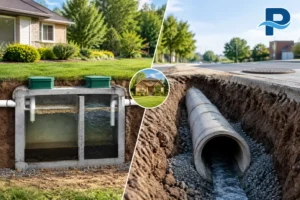
A camera inspection is a diagnostic service. It shows what is happening inside the pipe. Excavation is an access and repair method. It exposes the pipe so a plumber can replace, reconnect, regrade, or repair it directly.
That distinction matters because a camera cannot fix a broken sewer line. It can confirm the break, show its location, and document the condition of the surrounding pipe. Excavation, on the other hand, can solve a physical pipe failure but comes with more labor, restoration work, and property disruption.
Neither service is automatically better. If the camera shows light buildup or manageable root intrusion in an otherwise sound pipe, cleaning and follow-up maintenance may be enough. If it shows a collapsed section, major separation, severe corrosion, or a pipe that has lost its slope, excavation may be the responsible solution.
The goal is not to avoid excavation at all costs. The goal is to avoid unnecessary excavation and to perform necessary excavation with a clear reason, a defined location, and a repair plan that holds up.
When Excavation Is Necessary
Excavation becomes appropriate when the pipe needs physical access that drain cleaning or other non-invasive work cannot provide. Common examples include a collapsed pipe, a section crushed by ground movement, a major offset at a connection, extensive damage from roots, or a line that has settled into a belly and no longer drains correctly.
In northern communities, seasonal ground movement and the age of the property can both affect underground piping. Older homes may have materials or connections that deteriorate over time. A camera can identify those concerns, but replacing the damaged section generally requires exposing it.
Excavation may also be needed when a repair must meet current installation requirements. A new section of sewer line may need proper bedding, slope, secure connections, and testing before the area is restored. This is not work to rush or patch carelessly, especially when the line serves a multi-unit property or business.
There are cases where the camera view is limited. Heavy blockage, standing water, or a fully collapsed line can prevent the camera from moving far enough to show every detail. Even then, the available footage and drain symptoms can help narrow down where excavation should occur instead of turning the entire project into a search.
Cost, Disruption, and the Value of Knowing First
The cost difference between an inspection and excavation is significant because the scope is different. A camera inspection generally involves access, diagnosis, and documented findings. Excavation can involve locating the line, digging, equipment, pipe replacement, permits where required, backfilling, and restoration of surfaces such as grass, pavement, concrete, or landscaping.
That does not make inspection a substitute for repair. It makes it a way to spend repair dollars more carefully. Digging in the wrong place can increase labor and delay the real solution. Video inspection gives the property owner a basis for approving work rather than relying on assumptions.
Ask for a plain explanation of the findings. You should understand whether the issue is a one-time blockage, a condition that should be monitored, or a structural failure requiring repair. If excavation is recommended, ask where the work will take place, what section is being replaced, how the area will be restored, and whether other portions of the line show signs of concern.
Clear flat-rate pricing and written scope details are especially helpful here. Sewer work can feel urgent, but you should not be left guessing about what the technician found or why a larger repair is being recommended.
A Practical Decision Path for Property Owners
If water is backing up into fixtures, avoid running more water until the issue is assessed. Continued use can make an overflow worse and add cleanup costs. A plumber may need to clear the immediate blockage first so the line can be inspected properly.
When the line is accessible and the cause is uncertain, a camera inspection is usually the logical next step. It can confirm whether cleaning, spot repair, replacement, or further investigation is needed. If the video shows a localized failure, excavation can be planned around that location rather than based on trial and error.
If the line has already been documented as collapsed or badly damaged, moving directly to excavation may be appropriate. The important part is that the recommendation is based on evidence and that the repair scope matches the condition of the pipe.
At Poly-B Plumbing, the focus is straightforward: identify the problem, explain the options clearly, and complete the work with as little disruption as the repair allows. For properties in North Bay, Sturgeon Falls, Bonfield, and Powassan, that can mean a camera inspection today and a targeted repair plan before a small sewer issue becomes a major property problem.
A sewer line is out of sight, but it should not be out of the decision-making process. Start with a clear view of the pipe whenever conditions allow, then choose the repair that protects your property for the long term.