A supply line can split, a toilet can keep running, or a pipe can freeze and crack with very little warning. Knowing how to shut off water quickly can turn a major cleanup into a manageable repair. Every homeowner, landlord, and business operator should know where the main water shutoff is located before an emergency puts that knowledge to the test.
The goal is not to diagnose every plumbing problem yourself. It is to stop the flow safely, protect your property, and give a licensed plumber a better starting point when they arrive.
When You Should Shut Off Water Immediately
Turn off the water right away when you see active flooding, a burst pipe, a leaking water heater, water coming through a ceiling, or a fixture that will not stop overflowing. Do not wait to see whether the leak slows down. Water can travel behind walls, under flooring, and into electrical areas long before the visible puddle looks serious.
A small drip under a sink usually lets you use the fixture-specific valve instead of shutting down the entire building. But if you cannot identify the source, the leak is growing, or water is flowing from a pipe or appliance connection, use the main shutoff valve.
For commercial properties, speed matters even more. A leak near a kitchen, washroom, utility room, or customer area can interrupt operations and create slip hazards. Shut off the affected supply if possible, keep people away from the wet area, and arrange for professional service promptly.
Find Your Main Water Shutoff Before You Need It
The main water shutoff controls the water entering your home or building. In many properties, it is located where the water service line enters the structure. Look in a basement, crawl space, utility room, mechanical room, garage, or near the water meter.
In colder-climate homes, the valve is commonly inside and close to the foundation wall facing the street. In some properties, especially rural homes, it may be near pressure tanks, water treatment equipment, or well system components. A condominium unit may have its own shutoff, while the building’s main control may be accessible only to management or maintenance staff.
There are usually two common valve styles. A round wheel valve requires several turns clockwise to close. A lever-style ball valve closes with a quarter turn. When the lever is perpendicular to the pipe, it is typically off. When it runs parallel to the pipe, it is typically on.
Do not force a valve that is heavily corroded, seized, or leaking around the handle. Old valves can break when moved, creating a larger problem. If yours is difficult to operate, schedule service to have it assessed or replaced while there is no emergency.
Test the Valve Carefully
If your main shutoff appears to be in good condition, test it on a calm day. Tell everyone in the property first, especially if you have a tank-style water heater, water treatment system, or business equipment that relies on water.
Close the valve slowly, then open a cold-water faucet at the lowest practical point in the building. Water should stop after the lines drain. Turn the valve back on slowly and check that water pressure returns normally. This simple test tells you whether the valve actually works and helps everyone in the household remember its location.
If you have a well, shutting off power to the well pump may also be appropriate during a major plumbing break. This can prevent the pump from continuing to pressurize the system. The right step depends on how your well and pressure tank are configured, so property owners with private systems should ask a qualified plumber or well technician to explain their specific setup.
How to Shut Off Water to a Toilet, Sink, or Appliance
A local shutoff valve is the better option when the problem is limited to one fixture. It keeps the rest of the property usable while repairs are arranged.
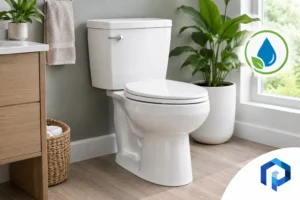
For a toilet, look behind the bowl near the floor or wall. Turn the small valve clockwise until it stops. If the toilet is overflowing, remove the tank lid and lift the float to stop more water from filling the tank while you close the valve. Avoid flushing again.
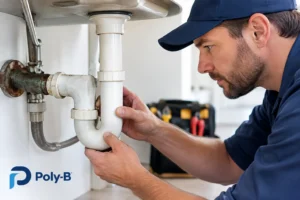
For a sink, look inside the cabinet below the basin. There are often separate hot and cold shutoffs. If a faucet supply line is leaking, close both valves. Place a bucket and towels below the connection, but do not overtighten fittings or attempt a repair if the valve itself is leaking.
Dishwashers, refrigerators with ice makers, washing machines, and water heaters may have dedicated valves as well. A washing machine has hot and cold valves at the wall box, often behind the appliance. If a hose has burst, close both valves and unplug the appliance only if you can do so without stepping into standing water.
Water heaters require extra caution. If water is leaking heavily from the tank or connections, shut off the cold-water supply valve above the unit if it is safe to reach. For an electric water heater, turn off power at the breaker before shutting down water or draining anything. For a gas unit, do not adjust gas controls unless you understand the equipment and can do so safely. A leaking tank often needs prompt replacement rather than a simple repair.
What to Do After You Shut Off Water
Stopping the water is the first move, not the last one. Take a few practical steps to limit damage and make the repair process clearer.
First, move furniture, boxes, electronics, and valuables away from the wet area. Use towels, mops, or a wet vacuum to remove standing water if the area is safe. If water is near outlets, electrical panels, or appliances, stay clear and contact an electrician or emergency professional as needed.
Next, take photos or short videos of the leak, the affected area, and any damaged belongings before cleanup changes the scene. This can be useful for insurance documentation and helps a plumber understand what happened.
Then call for service. Tell the plumbing company where the water was coming from, whether the main valve is off, and whether the leak involves a pipe, fixture, drain, water heater, sump pump, or appliance. Clear details help the technician arrive prepared.
Do not turn the water back on just to check whether the issue has stopped unless the source has been repaired. A split pipe inside a wall can release a surprising amount of water in seconds once pressure returns.
Frozen Pipes Need a Different Response
A frozen pipe does not always mean a pipe has burst, but it should be taken seriously. If a faucet has little or no water flow during freezing weather, leave the faucet open slightly and inspect visible pipes for frost, bulging, or cracking. If you find a leak, shut off the main water supply immediately.
Never use an open flame to thaw plumbing. Avoid torches, propane heaters, or anything that can scorch wood, insulation, or nearby materials. Gentle heat from a space heater used safely, warm air, or heating pads may help with accessible pipes, but hidden or severely frozen lines are best handled by a professional.
Once a frozen pipe thaws, it may begin leaking where the ice caused a crack. Keep an eye on the area and know where your shutoff valve is before restoring normal use.
Keep Access to the Shutoff Clear
The best emergency plan is simple: everyone responsible for the property should know where the main valve is and be able to reach it. Do not block it with storage, shelving, or heavy equipment. Label the valve if needed, and show tenants, family members, or staff how it works.
If your property has an older main valve, Poly B piping, recurring leaks, or a shutoff that will not fully close, do not wait for the next emergency to address it. A licensed plumbing inspection can identify weak points and help you plan repairs with clear options and upfront pricing.
A quick shutoff can protect your floors and walls, but a reliable valve and a timely repair protect the property long after the immediate emergency is over.