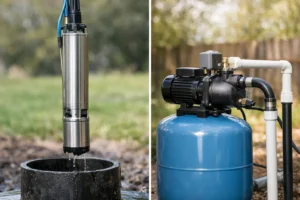
A well system usually gives little warning before it becomes an urgent problem. One day, the pressure is normal. The next, faucets sputter, the shower slows to a trickle, or there is no water at all. Submersible well pump problems can come from the pump itself, but just as often, the cause is a pressure tank, switch, electrical connection, clogged filter, or plumbing leak.
For homeowners and property owners, the goal is not to guess at a repair. It is to recognize the symptoms, avoid damage to the system, and get the right part tested before a small issue turns into a no-water emergency.
Common Signs of Submersible Well Pump Problems
A complete loss of water is the clearest warning sign, but it is not the only one. Changes in water pressure, pump run time, water quality, and electrical behavior can all point to trouble in the well system.
Low or inconsistent water pressure
If water pressure starts strong and fades quickly, or varies from one use to the next, the pressure tank may be losing its air charge or have a damaged internal bladder. A clogged sediment filter, partially closed valve, failing pressure switch, or restricted pipe can create similar symptoms.
Low pressure does not automatically mean the submersible pump has failed. Pulling a pump from a well is more involved than replacing a tank-side component, so proper diagnosis matters. A licensed well pump professional can test system pressure, flow, controls, and electrical supply to narrow down the cause.
The pump runs constantly
A pump that does not shut off should be addressed quickly. Continuous operation increases wear on the motor and can lead to a more expensive repair. Common causes include a water leak after the pressure tank, a pressure switch that is not reaching its shutoff setting, a failed check valve, a worn pump, or a low well water level.
If the pressure gauge is below the normal shutoff pressure and the pump continues running, avoid repeatedly resetting breakers or forcing the system to run. Shut off power to the pump if possible and arrange service. Running a pump dry can damage it.
The pump turns on and off rapidly
Rapid cycling, sometimes called short cycling, is often linked to a pressure tank issue. You may hear the pump click on for a few seconds, shut off, then restart shortly afterward even when only a small amount of water is being used.
This pattern places extra strain on the pump and its controls. In many cases, the tank needs adjustment or replacement, rather than the pump. Waiting can shorten the life of both components.
Air, sputtering, or cloudy water at fixtures
Air spurting from faucets may mean the well is drawing down too low, the water level has changed, or there is a leak on the suction side of another system component. In a submersible pump setup, it can also occur when the pump is pulling water mixed with air or sediment near the bottom of the well.
Cloudy water may simply be stirred-up sediment after heavy use or a power interruption. But ongoing grit, discoloration, or sediment can affect fixtures, filters, water heaters, and appliances. It also deserves testing to determine whether the well or pump position needs attention.
A sudden jump in the electric bill
A well pump that runs longer than it should can raise electrical usage. This is especially likely when there is a hidden plumbing leak, failing pressure tank, worn pump, or control problem that prevents the system from building and holding pressure.
An unexplained bill increase is not proof of a pump issue, but it is useful information for a technician. Note whether you have also seen pressure changes, wet areas near plumbing, or frequent pump cycling.
What Causes a Submersible Well Pump to Fail?
Submersible pumps operate deep inside the well, where they are protected from weather but difficult to inspect directly. The pump itself may eventually wear out, particularly in older systems or wells with heavy sediment. Still, several outside-the-well issues can produce the same symptoms.
Electrical problems are a common starting point. A tripped breaker, damaged wiring, worn control box, faulty pressure switch, or failed capacitor can prevent the pump from starting. Electrical testing should be done by a qualified professional. Well pump circuits involve high voltage and specialized equipment, and an incorrect repair can create safety risks or damage the motor.
Pressure tanks are another frequent source of trouble. A properly working tank stores pressurized water so the pump does not need to start every time a faucet opens. When its bladder fails or its air pressure is incorrect, the system can short cycle and place unnecessary demand on the pump.
Check valves, which help prevent water from draining backward into the well, can also fail. When that happens, pressure may drop after the pump shuts off, causing it to restart without anyone using water. Leaks in underground service lines or inside the building can have the same effect.
Then there are well-specific conditions. Seasonal changes, drought, heavy demand, mineral buildup, sediment, and a dropping water level can reduce the water available to the pump. A pump set too low can pull sediment. A pump set too high may lose supply when the water level drops. The right solution depends on the well’s construction, water level, pump size, and household demand.
Safe Checks Before You Call for Service
There are a few basic observations that can help without taking apart the system. First, check whether the electrical breaker serving the well pump has tripped. If it has, reset it once only. If it trips again, leave it off and call for service. Repeated resets can worsen an electrical fault.
Next, look at the pressure gauge near the pressure tank. A typical residential system cycles within a set pressure range, commonly 30/50 or 40/60 pounds per square inch. If the gauge stays at zero, remains low while the pump should be running, or swings quickly, write down what you see.
Check for a clogged whole-home filter if your system has one. A heavily loaded sediment filter can restrict flow and make it appear that the pump is weak. Also look for obvious leaks around the pressure tank, water heater, toilets, and visible plumbing. Do not open a well cap, handle pump wiring, or attempt to pull a submersible pump yourself. The equipment is heavy, the wiring is specialized, and damage to the drop pipe or well components can turn a repair into a larger job.
When a No-Water Problem Needs Immediate Help
Call for prompt service when there is no water, the pump runs nonstop, a breaker repeatedly trips, or water pressure is falling quickly. Businesses, rental properties, and homes with multiple occupants can be affected fast, especially when toilets, laundry, dishwashing, and sanitation are disrupted.
It is also wise to call when the system begins short cycling. You may still have water, but the pump is being worked harder than necessary. Early service can sometimes solve a pressure tank, switch, valve, or leak issue before the pump motor is affected.
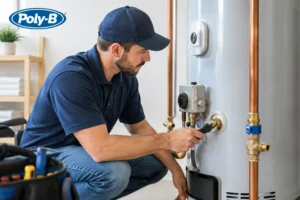
For rural properties in North Bay, Sturgeon Falls, Bonfield, and Powassan, well systems can face changing seasonal conditions and varied water quality. Poly-B Plumbing can assess the full system – not just the pump – so you get a clear explanation of what is failing and what the repair involves before work begins.
Preventing Repeat Well Pump Issues
Most submersible pumps are not visible, but the system around them can be monitored. Pay attention to changes in pressure, unusual cycling, sediment buildup, and filters that clog faster than normal. Keep records of past repairs, tank replacements, and water testing results. Those details help identify patterns and make future diagnosis faster.
Annual well system maintenance is especially useful for older homes, rental properties, and households that rely heavily on their well. A professional inspection can check pressure tank performance, pump controls, pressure settings, visible connections, and signs of leaks or water-quality concerns.
A well pump problem is stressful because water is not something a home or business can do without for long. Acting when the first warning signs appear gives you more options, protects the equipment you already have, and helps restore reliable water with fewer surprises.