A whole house filter review should start with the water coming into your home, not the label on a filter tank. A system that works well for city water with chlorine may do very little for a rural well with iron, sulfur odor, or bacteria concerns. The right equipment can improve water quality throughout the house. The wrong equipment can leave you with the same problem, lower water pressure, and ongoing filter costs.
For homeowners in North Bay, Sturgeon Falls, Bonfield, and Powassan, water conditions can vary from one property to the next. That is especially true for homes on private wells. Before investing in filtration, it helps to understand what whole-house systems do well, where their limits are, and what should guide the decision.
Whole House Filter Review: What These Systems Are Built to Do
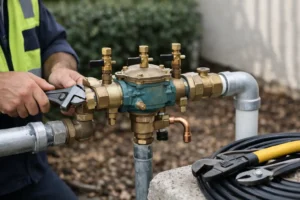
A whole-house water filter is installed on the main water line, typically where water enters the home. That means it treats water used at sinks, showers, toilets, laundry appliances, and other fixtures. Unlike a drinking-water filter at one faucet, it is designed to protect the plumbing system and improve water across the property.
The best system depends on the issue. Sediment filters capture dirt, sand, rust particles, and other debris that can clog fixtures and shorten the life of appliances. Carbon media is commonly used to reduce chlorine taste and odor in municipally supplied water. Specialty media can address iron, manganese, or unpleasant sulfur smells when properly selected for the water chemistry.
This is why a broad claim that one filter is “best” is rarely useful. A filter that performs well in a home supplied by treated municipal water may be a poor fit for a well with hardness, staining, or elevated iron. Filtration is not one product category with one answer. It is a set of tools that must match the water problem.
Start With a Water Test, Not a Sales Pitch
The most reliable review of any whole-house filter begins with testing. A water test identifies the conditions that affect both health considerations and daily use, including pH, hardness, iron, manganese, sediment, and bacteria where appropriate. For well owners, testing is particularly valuable because groundwater quality can change with weather, seasonal conditions, nearby construction, or changes to the well itself.
A test also prevents common mistakes. For example, a carbon filter may improve odor but will not remove every dissolved mineral causing orange staining. A basic sediment cartridge can protect a larger treatment system, but it will not soften hard water. And ultraviolet treatment may be recommended for disinfection concerns, yet it does not remove sediment, iron, or chemical contaminants on its own.
If water quality has changed suddenly, do not assume a new filter is the full answer. Cloudy water, a sharp odor, low pressure, or a change in taste can point to a plumbing, well pump, pressure tank, or well-system issue that deserves a professional inspection.
The Main Types of Whole-House Treatment
Most homes do not need every type of water treatment. A practical setup often combines only the components needed for the water supply.
Sediment filtration
Sediment filtration is often the first stage for homes with visible particles, sand, rust, or cloudy water. It can help protect valves, faucets, water heaters, and more specialized treatment equipment downstream. Cartridge size and micron rating matter. A very fine filter may catch more debris, but it can plug up quickly and reduce flow if the incoming water carries heavy sediment.
For a home with persistent sediment, choosing a larger-capacity housing or a backwashing system may make more sense than replacing small cartridges constantly. The right choice depends on the amount and type of material in the water.
Carbon filtration
Carbon is a common option for municipal water because it can reduce chlorine taste and odor. It can make showering and drinking water more pleasant, and it may help reduce the chlorine smell that some homeowners notice in laundry or around sinks.
Carbon systems need enough contact time to work properly. A small filter may improve a single faucet, but a whole-house application needs enough media and flow capacity to serve the entire property without a major pressure drop. Filter media also has a service life. When it is exhausted, performance declines even if the tank still looks fine from the outside.
Iron, manganese, and odor treatment
Well water can bring challenges that are more than cosmetic. Iron can leave orange or brown staining on fixtures, laundry, and tubs. Manganese may create dark staining. Sulfur-related odor can make water unpleasant to use even when it looks clear.
These concerns often require specialty treatment, and the details matter. The solution may involve oxidation, filtration media, or a backwashing unit. Water pH, iron levels, flow rate, and the presence of other minerals all affect the design. Installing a generic filter without accounting for those factors can lead to staining returning quickly or equipment that requires excessive maintenance.
Water softeners and drinking-water systems
A water softener is not the same as a whole-house filter. It is designed to reduce hardness minerals that cause scale buildup, dry skin, spotted dishes, and reduced appliance efficiency. Many homes benefit from both softening and filtration, but they solve different problems.
Likewise, a point-of-use drinking-water system can be a good addition for homeowners who want additional treatment at a kitchen sink. It does not replace a main-line system when the goal is protecting fixtures, appliances, and plumbing throughout the home.
What a Good System Should Include
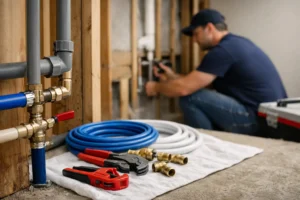
The equipment itself matters, but the installation should be reviewed as a complete system. A properly planned setup accounts for the home’s water demand, incoming pressure, plumbing layout, and space for future service. A filter that is undersized for a family home can cause frustrating flow problems during showers, laundry, or dishwasher use.
A quality installation should also include accessible shutoff valves and a bypass. The bypass allows water service to continue when equipment needs maintenance or repair. Drain connections, where required for backwashing equipment, should be installed correctly and in a location that can handle the discharge. For well systems, the treatment equipment should work with the pump and pressure-tank setup rather than create unnecessary strain or pressure loss.
Ask who will service the system, what maintenance it needs, and how you will know when it is time for filter replacement or media service. Clear answers matter more than an oversized performance claim.
The Trade-Offs Homeowners Should Expect
Whole-house filtration is valuable when it is solving a confirmed issue, but it is not maintenance-free. Cartridge filters need periodic replacement. Backwashing systems need appropriate settings and occasional service. Some equipment needs electricity, while other systems require a drain connection. In certain applications, treatment can increase water use during cleaning cycles.
There is also a cost trade-off between lower upfront pricing and long-term operating expense. A small cartridge system may cost less to install but require frequent filter changes. A larger media tank can carry a higher initial cost while offering greater capacity and less frequent attention. Neither option is automatically better. The best value is the one that fits the water conditions, household demand, and your willingness to maintain it.
Homeowners should also be cautious about claims that a single system removes every possible contaminant. Water treatment should be specific. If a test identifies a particular concern, ask how the proposed equipment addresses that concern and what maintenance is required to keep it performing as intended.
When to Call a Licensed Plumbing Professional
A professional review is especially worthwhile when you are buying a rural property, dealing with recurring staining, noticing changes in water pressure or odor, replacing aging equipment, or planning a renovation. It is also helpful for landlords and commercial property owners who need dependable water quality without disrupting tenants, staff, or customers.
Poly-B Plumbing can assess the plumbing side of the installation along with the water-treatment needs, helping ensure the system is sized correctly and installed for practical long-term service. That includes protecting access to shutoffs, considering pressure and flow, and avoiding a setup that makes future maintenance harder than it needs to be.
Clean, usable water should not be a guessing game. Start with the source, confirm the issue, and choose treatment that has a clear job to do in your home.