A sink that burps after you flush the toilet, a shower drain that makes a hollow glug-glug sound, or a toilet bowl with moving water is more than an annoying noise. If you are asking, why is drain gurgling, the short answer is that air is struggling to move through your plumbing system. The reason behind that air pressure problem can range from a small hair clog to a developing sewer line backup.
A gurgling drain is worth addressing early. Water may still be draining today, but the sound can be the first warning that wastewater has a restricted path. Acting before the drain stops completely can help protect your home or business from a messy, costly backup.
Why Is a Drain Gurgling in the First Place?
Your drain system needs two things to work properly: a clear route for water and waste to leave the building, and enough air to keep pressure balanced as that water moves. Plumbing vents provide that airflow. They usually run upward through the roof, allowing air into the system while directing sewer gases outside.
When a pipe is partially blocked or a vent cannot admit enough air, draining water can create suction. The system then pulls air wherever it can, often through a nearby drain trap. That is the gurgle you hear.
The location and timing of the sound matter. One bathroom sink that gurgles only when it drains usually points to a local issue. A shower drain that gurgles when the toilet flushes can mean those fixtures share a restricted branch line. If several fixtures make noise, drain slowly, or cause water to rise in another fixture, the concern moves closer to the main sewer line or septic system.
The Most Common Causes of a Gurgling Drain
A Partial Clog Near the Fixture
Hair, soap residue, grease, food particles, toothpaste, and small objects can collect inside the trap or drain line. The water may still squeeze past the buildup, but the reduced opening disrupts normal airflow and creates noise.
Kitchen sinks often develop grease-related clogs. Bathroom sinks and tubs are more likely to collect hair and product buildup. In a commercial setting, especially a restaurant, grease and food waste can restrict lines much faster than many owners expect.
A local clog is often the simplest situation to correct. It should still be cleaned properly, rather than repeatedly treated with harsh chemical drain cleaners that may damage older pipes, seals, or fixtures.
A Blocked or Improperly Working Plumbing Vent
A vent blockage can produce gurgling even when the drain line itself is relatively clear. Leaves, nests, debris, frost, or an installation issue can limit airflow at the roof vent. Older homes may also have venting layouts that need closer evaluation after a renovation or fixture addition.
Vent diagnosis is not a good DIY roof project. Besides the fall risk, the visible opening is not always where the restriction is located. A licensed plumber can assess the vent system and determine whether the problem is a blockage, an undersized vent, or a drain issue that is creating similar symptoms.
A Restriction in the Main Sewer Line
When multiple drains gurgle, this is one of the first concerns to rule out. Main sewer line restrictions can develop from flushed wipes, heavy paper products, grease, scale buildup, damaged piping, or tree roots entering an older line through joints or cracks.
Common warning signs include a toilet that bubbles when the washer drains, water appearing in a tub when a sink is used, or several fixtures draining slowly at once. Do not keep sending large amounts of water down the drains to test the problem. Running a dishwasher, washing machine, or long shower can turn a partial restriction into a backup.
A professional drain inspection may include drain cleaning equipment and a camera inspection when needed. The right repair depends on what is actually inside the pipe. Roots require a different approach than grease, a collapsed line, or an object lodged in the drain.
Septic System Problems
For rural properties on septic, gurgling fixtures can signal that the tank is full, the outlet is restricted, or the septic field is not accepting wastewater properly. The symptoms can look much like a municipal sewer backup: slow drains, toilet bubbling, odors, and water surfacing at the lowest fixture.
If your home uses a septic system, avoid using excess water while the issue is being assessed. Septic problems do not improve by adding more water or drain products, and a delay can put wastewater where it does not belong.
A Dry or Damaged Drain Trap
Every sink, tub, floor drain, and shower drain has a trap that holds water. That water seal blocks sewer gases from entering the building. In a seldom-used basement bathroom, utility room, or commercial space, the trap can dry out. Air movement through the empty trap may create noise and allow unpleasant odors inside.
Pouring water into an unused drain can restore the seal if dryness is the only issue. But if the drain keeps gurgling, smells like sewage, or loses water quickly, have it checked. A cracked trap, vent issue, or larger drainage problem may be involved.
What You Can Safely Check Before Calling a Plumber
Start by identifying which fixture makes the sound and what triggers it. Run water in the affected sink, then flush nearby toilets one at a time. Notice whether the sound stays at one fixture or travels through the area. This information helps narrow down whether the problem is local or shared.
For a sink, remove visible debris from the stopper and clean it. A plunger can sometimes clear a minor fixture clog, provided you block the overflow opening and use enough water to create a seal. A hand-operated drain snake may help with accessible hair buildup in a bathroom sink or tub.
Use care with what you put into the pipe. Avoid mixing cleaners, pouring boiling water into unknown pipe materials, or using chemical drain opener after trying another product. These products can create hazardous splashes, damage piping, and make professional service less safe.
You should also avoid opening cleanouts or disconnecting drain pipes if you suspect a main line problem. Wastewater may be under pressure behind a blockage, particularly in a lower-level area.
When a Gurgling Drain Needs Prompt Service
Call for professional help promptly if the gurgling affects more than one fixture, water backs up into a tub or shower, sewage odors are present, or the toilet water level rises and falls on its own. These signs can indicate a main sewer, vent, or septic issue that needs more than a plunger.
Treat it as urgent if wastewater is coming up through a floor drain, toilet, shower, or sink. Stop using water throughout the building as much as possible. That includes laundry, dishwashers, showers, and repeated flushing. Limiting water use can reduce the chance of further overflow while a plumber is on the way.
For landlords and commercial operators, a gurgling drain deserves fast attention even before a backup occurs. A restricted line can interrupt tenant comfort, kitchen operations, customer service, and sanitation requirements with little warning.
How Professionals Find the Real Cause
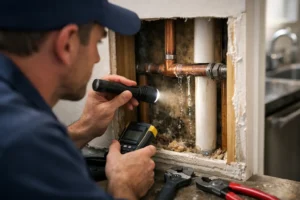
Good drain service is not just about getting water moving again. The goal is to identify why the restriction formed and whether it is likely to return. A plumber may inspect the affected fixtures, test drainage patterns, clear the line with the appropriate equipment, and use a camera to inspect deeper sections where the cause is not obvious.
Camera inspection can be especially useful for older homes, properties with mature trees, recurring clogs, and buildings with a history of sewer issues. It can reveal root intrusion, separated joints, pipe damage, scale, or a blockage farther down the system. For homes with basement plumbing, a backwater valve assessment may also be appropriate if municipal sewer backup is a concern.
The best solution depends on the condition of the pipe and the source of the blockage. A simple cleaning may be enough for one-time buildup. Repeated root intrusion or a damaged sewer line may call for repair planning instead of another temporary clearing.
A drain should move water quietly and without affecting nearby fixtures. If yours is speaking up, treat the sound as useful early warning. Poly B Plumbing can assess gurgling drains with clear communication, licensed service, and straightforward recommendations so you can address the cause before it becomes a backup.