A restroom closure during a busy lunch rush, a sewer backup before opening, or water spreading below a sink can interrupt far more than a single repair. This commercial plumbing maintenance guide helps property owners and operators catch problems early, protect their facilities, and avoid the disruption of an emergency call when business is already underway.
Commercial plumbing takes more daily use than most people realize. Employees, customers, tenants, cleaning crews, and equipment all put steady pressure on fixtures, drains, supply lines, and hot water systems. A maintenance plan is not about over-servicing a building. It is about finding small, correctable issues before they become water damage, health concerns, or lost operating time.
What Commercial Plumbing Maintenance Should Cover
The right maintenance plan depends on the building and how it is used. A small office has different needs than a restaurant, retail space, multi-unit property, or facility with public restrooms. Still, every commercial property needs regular attention to its water supply, drainage, fixtures, and protective devices.
Start with a walkthrough of restrooms, staff kitchens, utility rooms, mechanical areas, and any exterior plumbing connections. Look for active drips, moisture under cabinets, staining on walls or ceilings, slow drains, running toilets, loose faucets, and unusual odors. A minor fixture leak may seem harmless, but continuous water loss adds up and can damage finishes or flooring over time.
Drainage deserves the same attention as water supply lines. Slow or recurring clogs often signal buildup farther down the line, not just a blockage at the fixture. In commercial spaces, grease, paper products, cleaning materials, food waste, and other debris can create restrictions that worsen gradually. Waiting until a drain stops completely usually means dealing with the problem at the least convenient time.
Keep Clear Records
Maintenance becomes more effective when staff can identify patterns. Keep a simple log of plumbing issues, including the fixture location, date, symptoms, work completed, and any repeat concerns. A toilet that runs every few weeks or a sink that clogs repeatedly gives a plumber useful information during an inspection.
Records also help property owners plan repairs instead of reacting to them. If several fixtures are aging, if a water heater is becoming unreliable, or if a drain line needs frequent clearing, you can schedule work around your operating hours and budget.
A Practical Commercial Plumbing Maintenance Schedule
There is no single calendar that fits every property. High-traffic businesses may need monthly checks, while a small professional office may be well served by quarterly inspections and an annual professional review. Usage, building age, plumbing materials, and the consequences of downtime should guide the schedule.
Monthly Checks for Staff or Property Managers
A short monthly walkthrough can catch visible trouble before it spreads. Check that toilets flush properly and stop running, faucets shut off fully, and drains clear at a normal speed. Open cabinet doors under sinks and look for moisture, corrosion, or loose connections.
Pay attention to water pressure changes. Weak flow at one fixture could be a local issue, while pressure changes throughout the building may need a professional assessment. Also check for unpleasant drain odors, which can point to a dry drain trap, buildup, or a drainage concern that should not be ignored.
For properties with sump pumps, verify that the pump is clear of debris and functioning as expected. This is particularly valuable before periods of heavy rain or snowmelt. A failed sump pump may not become obvious until water is already entering a lower level.
Quarterly Preventive Service
Quarterly service is a practical interval for many commercial properties, especially those with customer-facing restrooms, break rooms, or frequent cleaning activity. This is a good time to inspect exposed piping, test shutoff valves where accessible, check supply connections, and address small fixture repairs.
Restaurants and food-service businesses may require more frequent drain maintenance because daily operations create more buildup. The right interval depends on volume and what enters the plumbing system. Preventive drain cleaning can cost less than an after-hours blockage, but unnecessary cleaning is not a substitute for identifying the source of recurring problems.
Annual Professional Inspection
An annual inspection gives a licensed plumber a chance to assess areas that are easy to miss during routine walkthroughs. That can include water heaters, pressure concerns, backflow prevention devices, sump systems, sewer lines, shutoff valves, and signs of hidden leaks.
Annual backflow testing is especially important where it is required for your property. Backflow prevention helps protect the building’s water supply from contamination caused by a reversal in water flow. Testing should be performed by a qualified professional and documented properly.
The Systems Most Likely to Cause Expensive Downtime
Not every plumbing issue carries the same risk. For commercial operators, a few systems deserve priority because failure can close a restroom, damage inventory, disrupt staff, or affect customers.
Toilets and urinals are high-use fixtures with many moving parts. A running toilet wastes water, while a failed flush valve can take a restroom out of service quickly. Repairing these issues early is usually simpler than replacing damaged components after a complete failure.
Water heaters affect cleaning, restrooms, staff areas, and daily operations. Watch for inconsistent water temperature, discolored water, noises from the unit, moisture nearby, or a supply that does not meet normal demand. The best repair or replacement decision depends on the unit’s age, condition, capacity, and service history.
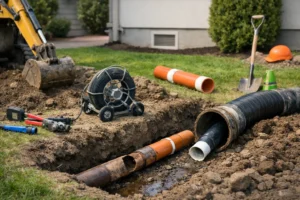
Sewer and drain lines can create the most urgent disruptions. Gurgling drains, multiple slow fixtures, water backing up in a low fixture, and persistent odors are warning signs that need prompt attention. Do not rely on repeated chemical drain products as a long-term fix. They may not reach the real blockage and can be hard on certain plumbing components.
Reduce the Risk of Frozen Pipes and Hidden Leaks
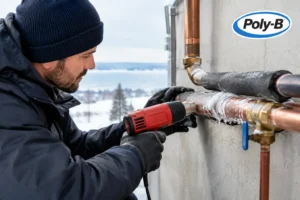
Northern Ontario winters make freeze protection a practical part of commercial plumbing maintenance. Pipes near exterior walls, unheated storage areas, crawlspaces, and poorly insulated utility rooms are more vulnerable. Keep those spaces adequately heated, seal drafts where possible, and make sure staff know where the main water shutoff is located.
If a building will be vacant during cold weather, establish a clear monitoring plan. A temperature alarm or regular site check can be worthwhile, particularly in older properties. A frozen pipe can become a burst pipe once conditions change, causing extensive damage before anyone arrives.
Hidden leaks are another major concern because they often start behind walls, above ceilings, or under floors. Watch for unexplained increases in water use, peeling paint, musty smells, soft flooring, stained ceiling tiles, or a water meter that continues moving when fixtures are off. Leak detection can identify the source without guessing or opening up more of the building than necessary.
Prepare Staff for a Plumbing Problem
Employees do not need to diagnose plumbing systems, but they should know how to respond calmly. Post the location of the main water shutoff and any local fixture shutoffs that staff are authorized to use. Make sure the person responsible for the property knows who to contact and can explain where the issue is occurring.
For day-to-day prevention, give staff a short list of habits to follow:
- Report drips, slow drains, odors, and running toilets as soon as they are noticed.
- Keep wipes, paper towels, food debris, and other inappropriate materials out of toilets and sinks.
- Do not force a blocked fixture to keep operating.
- Keep utility rooms and access panels clear for inspection and repair.
- Report changes in water temperature or pressure before they affect the whole building.
Clear reporting is one of the lowest-cost ways to prevent a small plumbing issue from becoming a major interruption.
When to Call a Licensed Commercial Plumber
Some maintenance tasks are appropriate for an on-site team, but recurring problems and anything involving building water supply, drainage, backflow devices, or hidden leaks should be handled by a licensed professional. Commercial work often has code requirements, tenant considerations, and operational constraints that are not obvious from the surface.
Call promptly if multiple drains are slow, sewage is backing up, water is appearing where it should not, a pipe has frozen, a water heater is leaking, or a backflow device needs testing. Early service may allow repairs to happen during a quieter period instead of forcing a closure.
For commercial properties in North Bay and nearby communities, Poly-B Plumbing can help build a maintenance approach around your facility, traffic level, and operating schedule. Clear service records, planned inspections, and quick action on warning signs give your property the best chance of staying open, clean, and ready for the people who rely on it.