A single cross-connection can put a commercial property’s drinking water at risk. A hose left in a mop sink, a boiler connection, an irrigation line, or process equipment can allow contaminated water to move backward into the potable supply when pressure changes. This commercial backflow prevention guide explains what property owners and operators need to know before a routine test turns into a compliance issue or an interruption to business.
Backflow protection is not just a plumbing detail hidden in a mechanical room. It helps protect employees, customers, tenants, neighboring properties, and the public water system. The right device, properly installed and tested, is a practical safeguard that keeps your building operating responsibly.
What commercial backflow prevention does
Backflow occurs when water flows in the opposite direction from its intended path. Normally, water pressure pushes clean water from the supply line into your building. If that pressure drops, or pressure inside a connected system rises, water from a non-potable source can be pulled or pushed back toward the drinking-water supply.
There are two common causes. Backsiphonage happens when supply pressure drops, such as during a water-main break, heavy water demand, or service work. Backpressure happens when a system within the building creates more pressure than the incoming water supply. Both situations can carry water containing chemicals, bacteria, debris, or other contaminants into a line intended for drinking water.
Commercial properties have more potential cross-connections than most homes. Restaurants may have dishwashing equipment, mop sinks, beverage systems, and food-prep connections. Offices may have irrigation or cooling equipment. Multi-unit buildings, retail spaces, medical facilities, workshops, and warehouses each have their own risks. The level of protection needed depends on what the water could come in contact with.
Commercial backflow prevention guide: Start with risk
The first question is not, “Which device should we buy?” It is, “What is connected to our water system, and what hazard could it create?” A licensed plumbing professional can inspect the property and identify cross-connections, but the property manager or business owner should also know where water is used outside ordinary sinks and washrooms.
A low-hazard connection may involve water that has changed in appearance, temperature, or taste but is unlikely to cause illness. A high-hazard connection may involve cleaning products, wastewater, industrial fluids, medical equipment, or other substances that could create a health risk. High-hazard conditions generally require a higher level of protection.
Your local water authority may require a survey, specify the acceptable assembly, and set deadlines for installation or annual testing. Requirements can vary by municipality and property type. Do not assume that a device acceptable at one site will satisfy the rules at another. A proper assessment should account for the building use, equipment, water-service size, existing plumbing, and local program requirements.
Common commercial cross-connections
Some cross-connections are obvious, while others are easily missed during renovations or equipment upgrades. Watch for equipment and areas such as:
- Irrigation and outdoor hose connections
- Janitor closets, mop sinks, and chemical dispensing systems
- Boilers, hydronic heating equipment, and cooling systems
- Commercial kitchens, ice machines, dishwashers, and beverage equipment
- Fire protection systems, where required by the authority having jurisdiction
- Dental, medical, laboratory, manufacturing, or process equipment
A hose submerged in a bucket or utility sink can be just as serious as a permanent equipment connection. Staff practices matter, which is why backflow protection should be part of building maintenance rather than a one-time installation project.
Choosing the right type of protection
Backflow assemblies are selected based on the hazard level and the type of pressure condition present. Common options include pressure vacuum breakers, double check valve assemblies, and reduced pressure zone assemblies. An air gap, which is a physical open space between a water outlet and a receiving vessel, can also provide highly reliable protection in the right application.
The names are less important than correct selection and installation. A double check assembly may be appropriate for certain lower-hazard applications, while a reduced pressure zone assembly is often used where there is a greater health concern. A pressure vacuum breaker can work well in specific applications, but it must be installed in a location that meets its height and accessibility requirements.
There are trade-offs. Higher-protection assemblies can require more space, drainage planning, and maintenance. Some assemblies discharge water when they operate under fault conditions, so installing one in a finished space without proper drainage can create a mess. Selecting a smaller or less protective device simply because it costs less can lead to failed inspections, restricted water service, or a more expensive correction later.
A qualified installer should also consider flow demand. An assembly that is too small can reduce water pressure during busy periods. One that is oversized may cost more than necessary and may not perform as intended at lower flow rates. The goal is a code-compliant device that fits the actual needs of the property.
Installation details that prevent future headaches
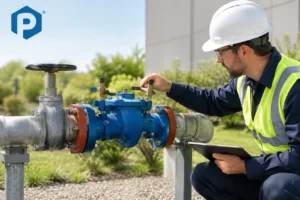
Even an approved assembly can become a problem if it is installed in the wrong location. Commercial backflow preventers need room for testing, repair, and replacement. They should not be boxed into a cramped ceiling cavity, buried behind storage, or placed where technicians cannot reach the test ports safely.
Protection from freezing matters in North Bay and nearby communities. A device installed in an unheated room, exterior enclosure, or poorly protected loading area can freeze and crack, causing water damage and downtime. If a device must be located outdoors or in a cold area, ask about insulation, heated enclosures, drainage, and shutoff arrangements suited to the site.
Drainage is another detail that deserves attention. Certain assemblies can release water during testing or when an internal component fails. That discharge needs a safe path away from electrical equipment, finished surfaces, inventory, and pedestrian areas. A licensed plumber can plan the installation so a future service issue does not become a cleanup problem.
Keep the installation visible and clearly identified. Building staff should know what the assembly is, where the shutoffs are located, and who to call if they notice leaking, reduced pressure, or an alarm from a monitored system.
Annual testing is part of ownership
Backflow assemblies contain moving internal parts that can wear, stick, or fail. They may look fine from the outside while no longer providing the protection they were installed to provide. That is why many commercial properties must have their assemblies tested at installation and then on a regular schedule, often annually.
Testing is not the same as a quick visual check. A certified backflow tester uses calibrated equipment to verify that the internal check valves and relief components operate within the required standards. The results are documented for the property owner and, when required, submitted to the local authority.
Do not wait for a reminder letter if you can avoid it. Put the due date into your maintenance calendar, along with other building inspections. A missed test can lead to notices, reinspection fees, or water-service action depending on local rules. Scheduling early also gives you time to repair a failed assembly before the deadline.
If the device fails, it does not automatically mean the entire assembly must be replaced. In some cases, repair parts and retesting can restore it. Replacement may be the better choice for an older assembly, repeated failures, obsolete components, or damage caused by freezing. Your contractor should explain the condition, the available options, and the expected cost before work begins.
Keep records and train the right people
For a small business, the owner may handle the paperwork. In a larger property, it may fall to a facility manager, superintendent, or maintenance coordinator. Either way, keep test reports, repair records, installation details, and correspondence with the water authority in one accessible file.
It also helps to give basic instructions to staff. They do not need to service the device, but they should know not to block access, attach unapproved connections, or leave hoses submerged in containers. During tenant improvements or equipment replacements, make backflow review part of the approval process. A new piece of equipment can create a new cross-connection without anyone realizing it.
When to call a licensed backflow professional
Call for an assessment if you are opening a new commercial space, renovating a kitchen or mechanical room, adding irrigation, replacing equipment, receiving a compliance notice, or seeing unexplained pressure changes near an existing assembly. Fast attention is also wise if a device is leaking, damaged, frozen, or has failed a test.
For commercial owners in North Bay, Sturgeon Falls, Bonfield, and Powassan, Poly-B Plumbing can help assess cross-connections, install appropriate protection, complete certified testing, and address repairs with clear communication. The right time to deal with backflow is before a deadline, failed test, or water-quality concern puts your operations on hold.